Diferencias Clave
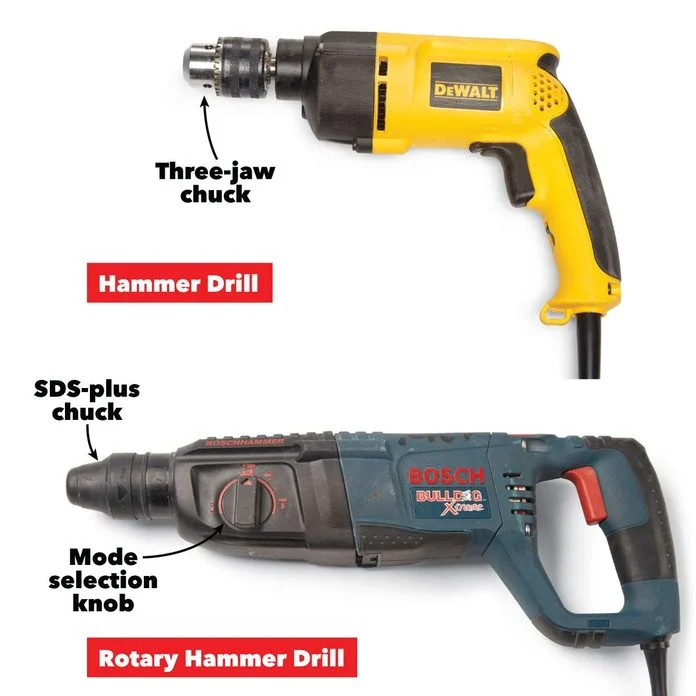
Los martillos rotativos y taladros representan filosofías de perforación fundamentalmente diferentes. Un martillo rotativo combina impacto de alta frecuencia con rotación, diseñado para materiales duros y frágiles como hormigón y mampostería. Un taladro estándar se basa en corte rotativo continuo con percusión ligera opcional, optimizado para materiales dúctiles como metal y madera.
Principios de Operación Comparados
- Martillo Rotativo: 4000‑6000 impactos/min, 1‑25 julios por golpe
- Taladro de Martillo: 25000‑50000 impactos/min, energía mínima por golpe
- Taladro Estándar: Rotación pura, 20‑100 Nm de par, control preciso de velocidad
Sistemas de Mandril Comparados
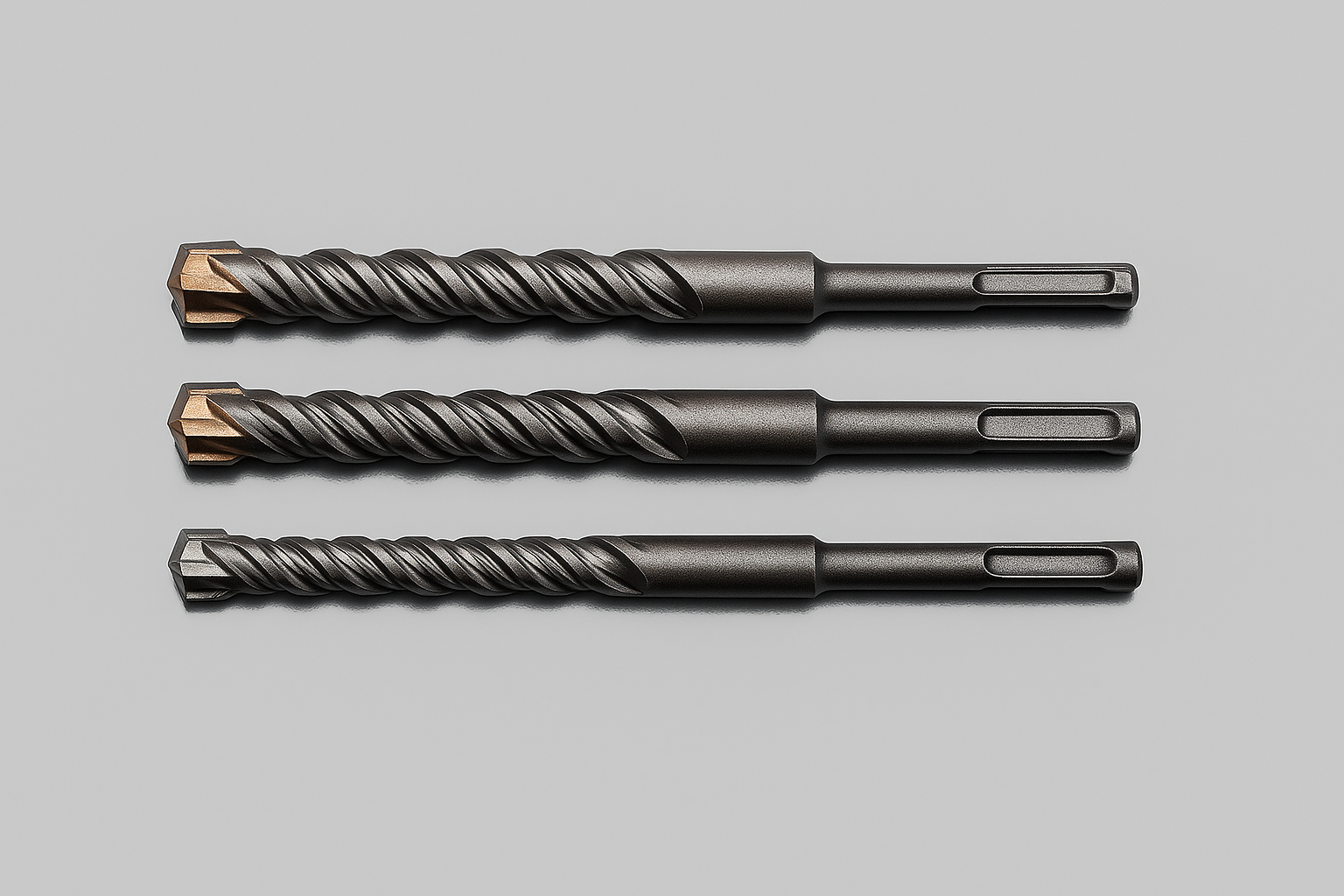
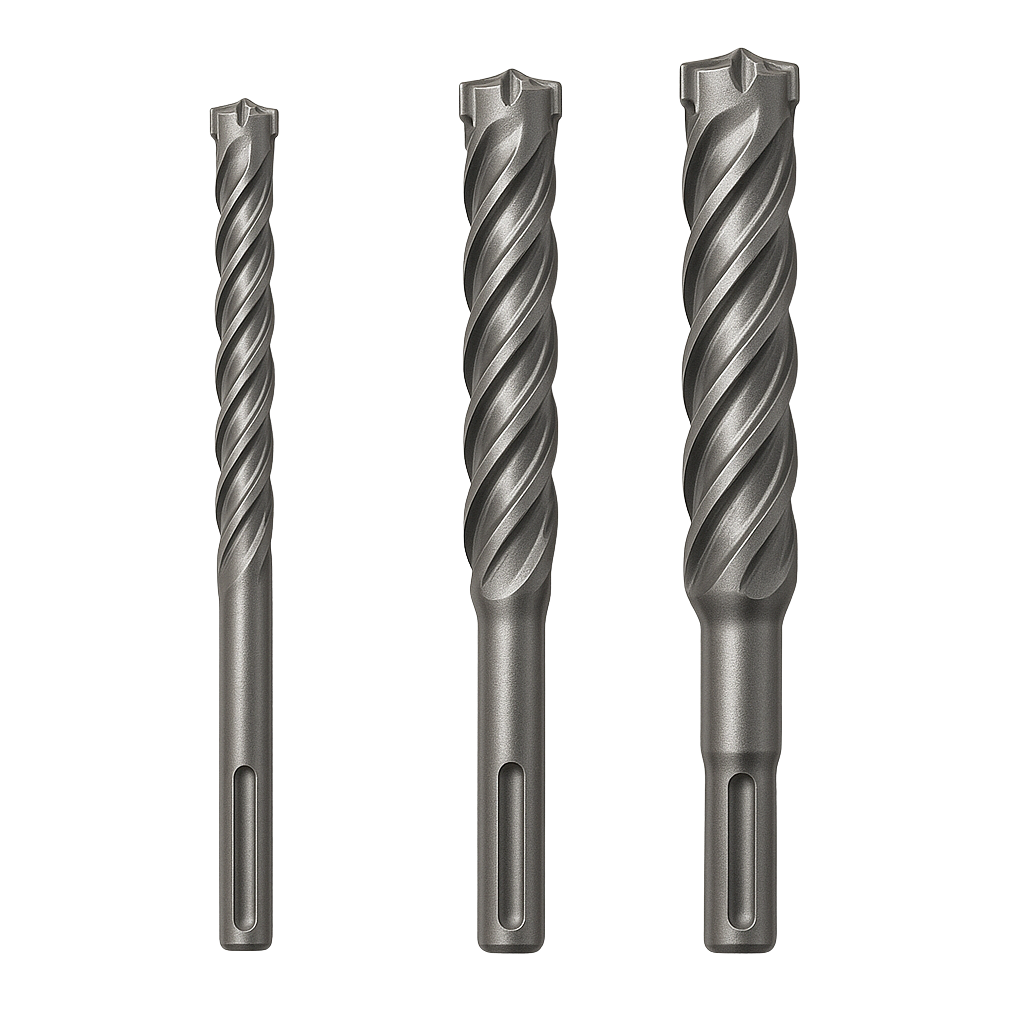
- Martillo Rotativo: Interfaz dedicada SDS‑Plus/SDS‑Max, cambios con una mano
- Hammer Drill: 13mm keyed chuck, universal but less efficient
- Standard Drill: 10‑13mm keyed chuck, precision clamping
Materials & Hole Quality Analysis
Concrete Drilling Comparison
- Rotary Hammer + SDS Bits: 3‑5x faster, 5‑10x longer bit life, smooth holes
- Hammer Drill + Masonry Bits: Slow progress, rapid wear, rough holes, emergency use only
- Standard Drill: Cannot effectively penetrate concrete, risks equipment damage
Masonry Material Drilling
- Red Brick: Rotary hammer highly efficient, hammer drill usable but slow
- Concrete Block: Rotary hammer required, hammer drill prone to jamming
- Natural Stone: Rotary hammer + specialized bits optimal
- Tile: Standard drill + tile bits, low RPM start to prevent chipping
Metal Drilling Comparison
- Standard Drill + Metal Bits: Standard configuration, precise RPM/feed control
- Hammer Drill: Disable impact, use as standard drill
- Rotary Hammer: Not applicable, damages bits and workpiece
Wood Drilling Guidelines
- Softwood: Standard drill + wood bits, medium‑high RPM
- Hardwood: Standard drill + sharp bits, reduce RPM to prevent burning
- Composite Panels: Specialized bits to prevent delamination
Selection Strategy & Field Experience
Diameter‑Based Tool Selection
- 6‑8mm Concrete: SDS‑Plus rotary hammer, efficiency with precision
- 10‑16mm Concrete: SDS‑Plus professional grade, standard configuration
- 20mm+ Concrete: SDS‑Max heavy‑duty, essential choice
- Metal ≤13mm: Standard drill sufficient, cost‑effective
Usage Frequency Considerations
- Occasional Use: Hammer drill + masonry bits, low investment
- Regular Use: SDS‑Plus rotary hammer, significant efficiency gains
- Professional Construction: SDS‑Max + SDS‑Plus combination, full coverage
Cost‑Benefit Analysis
- Equipment Cost: Standard drill < hammer drill < SDS‑Plus < SDS‑Max
- Bit Cost: Metal bits < masonry bits < SDS bits
- Time Savings: Rotary hammers save 60‑80% drilling time
- Maintenance: Proper selection reduces equipment failure rates
Common Misconceptions & Corrections
- Myth: "Hammer drills can replace rotary hammers" → Reality: Massive efficiency and life gaps
- Myth: "Rotary hammers work on metal" → Reality: Damages bits, dangerous and ineffective
- Myth: "One drill for everything" → Reality: Specialized tools deliver better results