The Geometry: 118° vs 135°
The tip angle of a drill bit determines how much of the cutting edge touches the material at once.
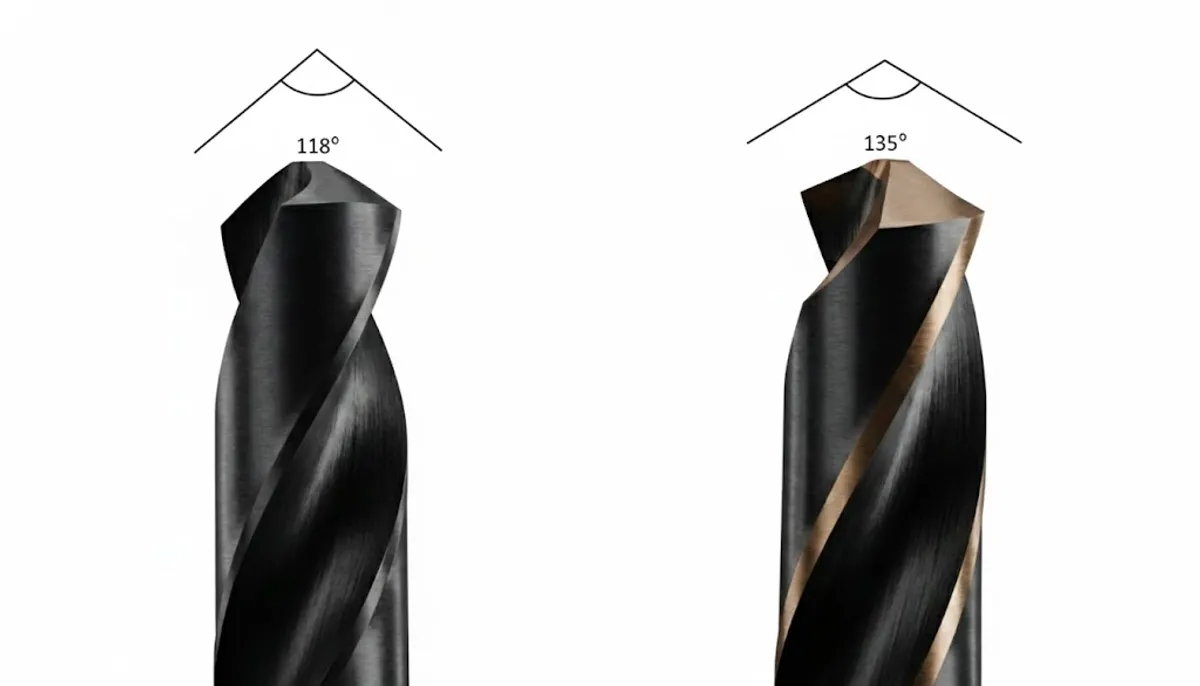
118° Point (Standard)
- Shape: Pointier, steeper cone.
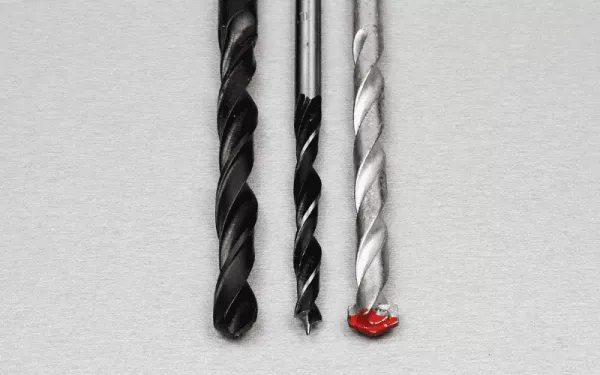
- Best For: Soft materials (Wood, Plastic, Aluminum, Mild Steel).
- Physics: The steep sides help guide the bit into soft holes.
135° Point (Heavy Duty)
- Shape: Flatter, wider cone.
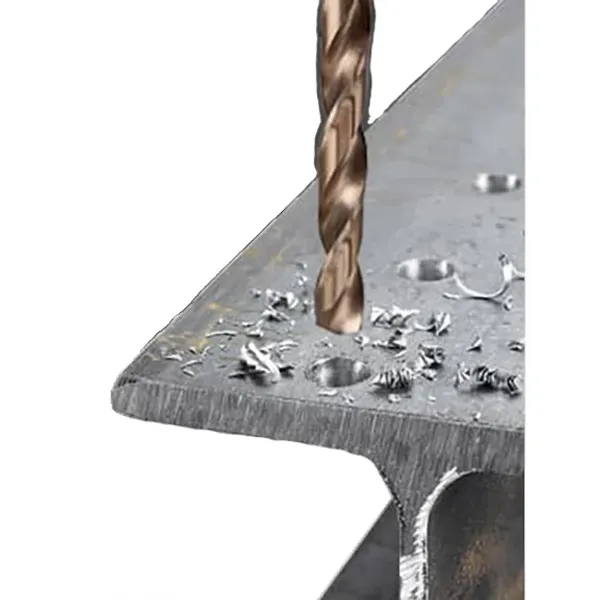
- Best For: Hard materials (Stainless Steel, Cast Iron).
- Physics: More cutting edge engages at once, reducing the required torque per inch for hard metals.
What is a "Split Point"?
Standard drill bits have a "Chisel Edge" in the dead center that doesn't actually cut—it just scrapes. This requires significant pressure to force into the metal.
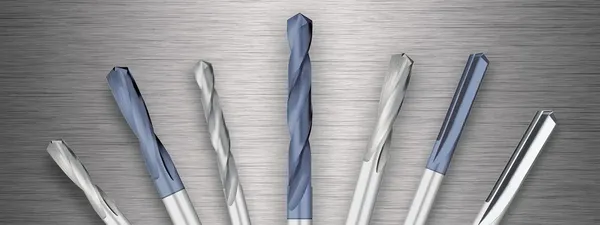
A Split Point (often called strict 135° Split Point) grinds away that dead zone, creating two extra cutting edges in the center.
Result: The bit cuts on contact. It requires 50% less thrust (pressure) to drill.
The "Walking" Problem
Have you ever tried to drill a metal pipe, and the drill bit skated away across the surface, scratching the paint? That is called "Walking".
- Standard Point: Walks easily. usually requires a center punch indentation to start.
- Split Point: Self-centering. Bites instantly. No center punch needed. Ideal for rounded surfaces like pipes.
Quick Selection Guide
| Application | Recommended Point |
|---|---|
| Wood / DIY | 118° Standard |
| Aluminum | 118° Standard |
| Mild Steel (Low Carbon) | 118° or 135° |
| Stainless Steel | 135° Split Point (Mandatory) |
| Curved Surfaces (Pipe) | 135° Split Point |
Remember: geometry is only half the equation. The HSS material grade (M2 vs M35 Cobalt) determines heat resistance.