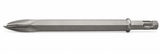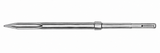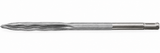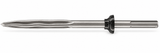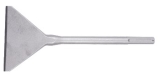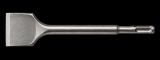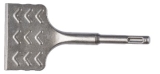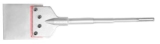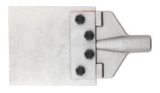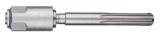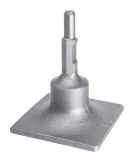
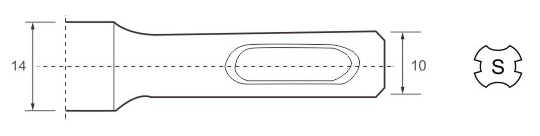
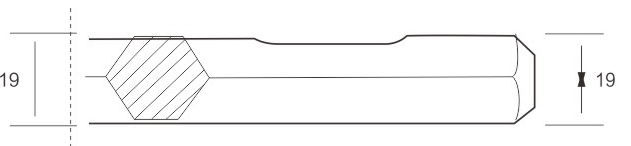
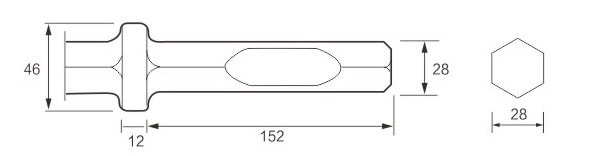
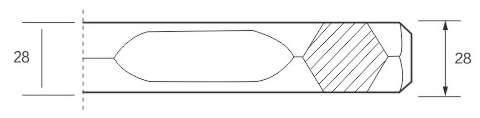
Point chiselsConcentrated impact for concrete breaking, starting fractures and local demolition.Profile details
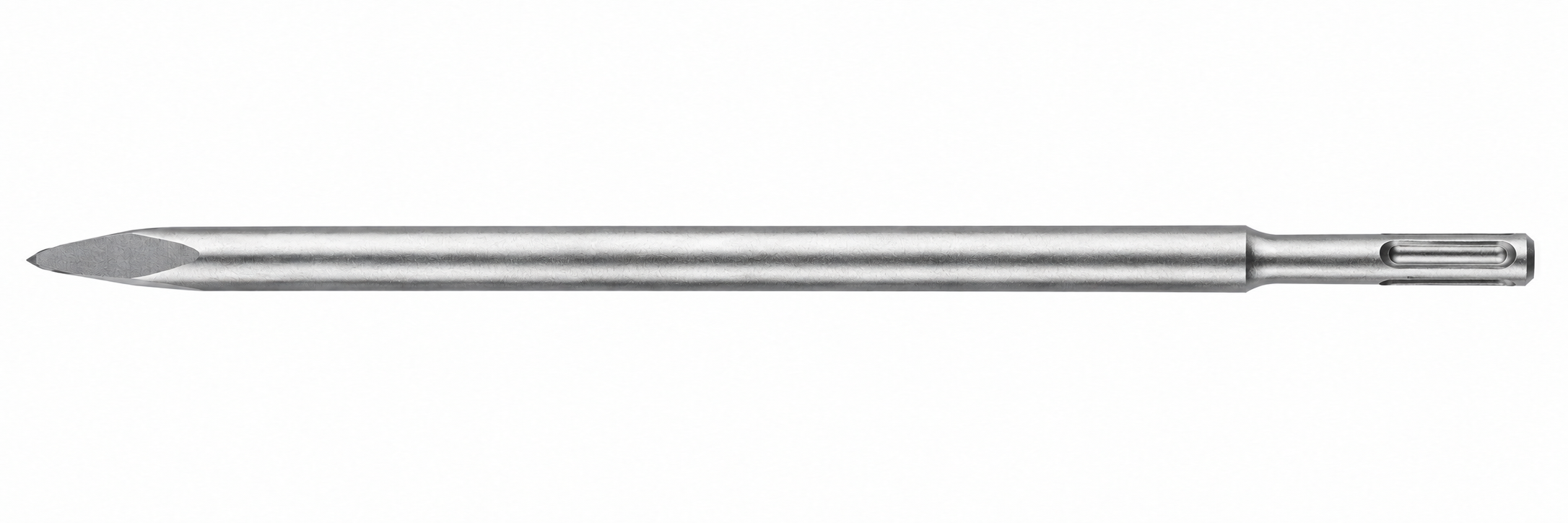
What to specify
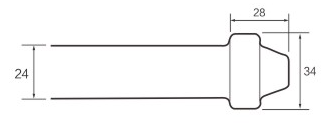
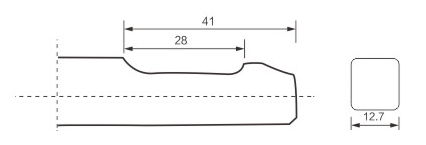
Overall length, body section and machine interface.
Machine-matched demolition tooling
Tell us the hammer and the job. We match the shank, working end and size for breaking, stripping, chasing and surface preparation.
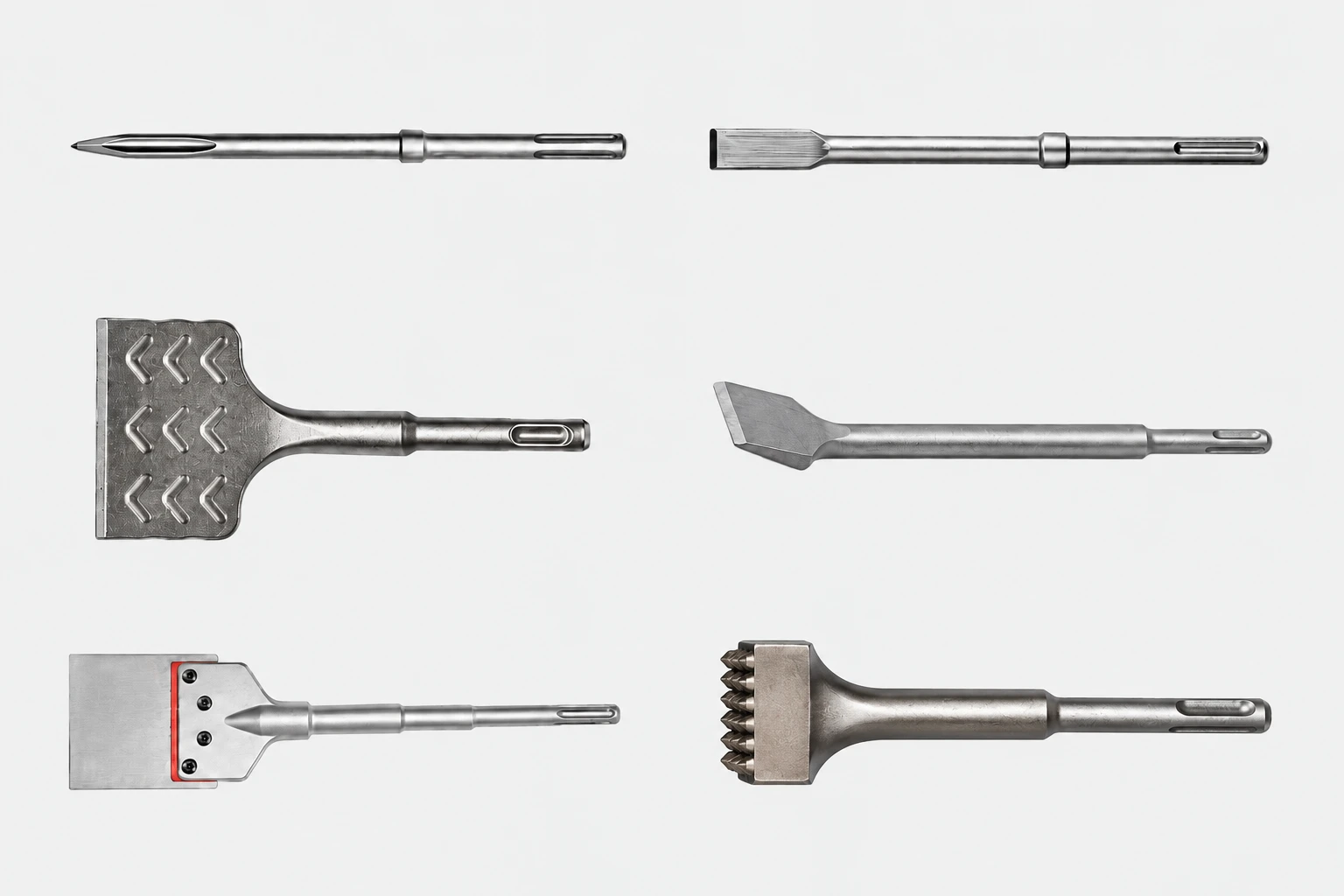
Browse by job family, then compare specific working ends or replacement systems. Use the machine and task filters to narrow the options and combine selections in one RFQ.


Tools: 33Accessories & replacement parts: 10
We match each selected working end or spare part to the machine, retaining geometry and assembly dimensions. Add a model or existing-tool photo to your RFQ.
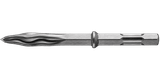
Compare conventional point and flat chisels, profiled and self-sharpening demolition chisels, and wave-profile points for concrete breaking.
Overall length, body section and machine interface.
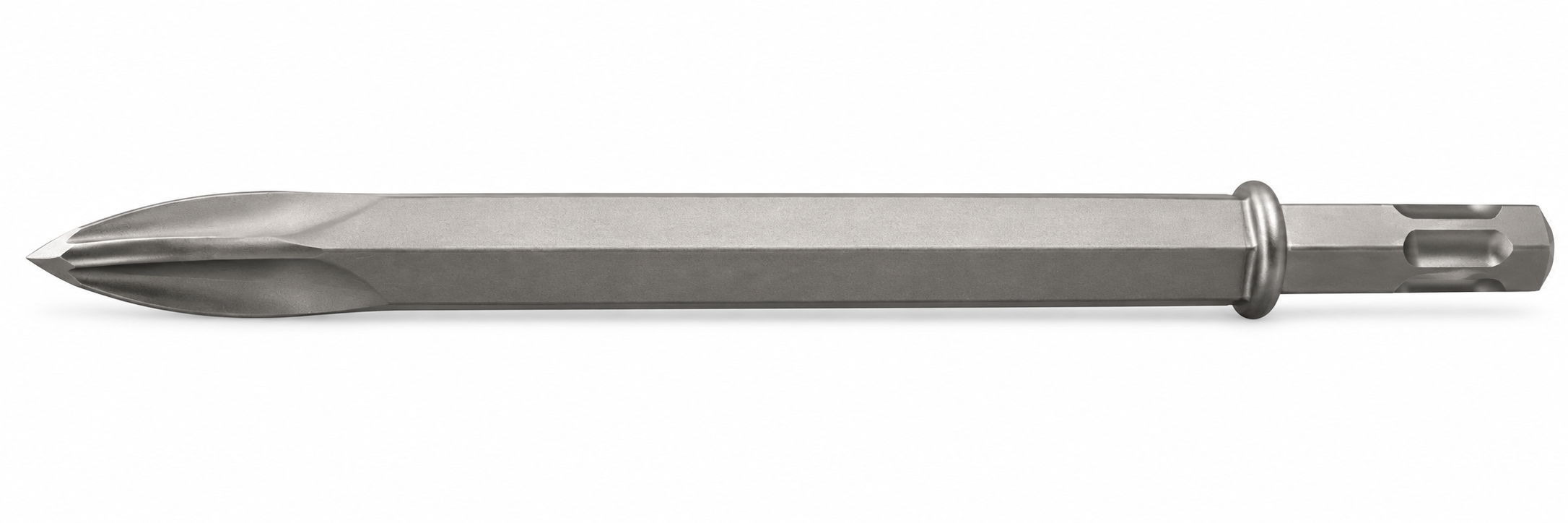
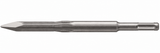
Machine interface, overall length, body section and retaining dimensions.
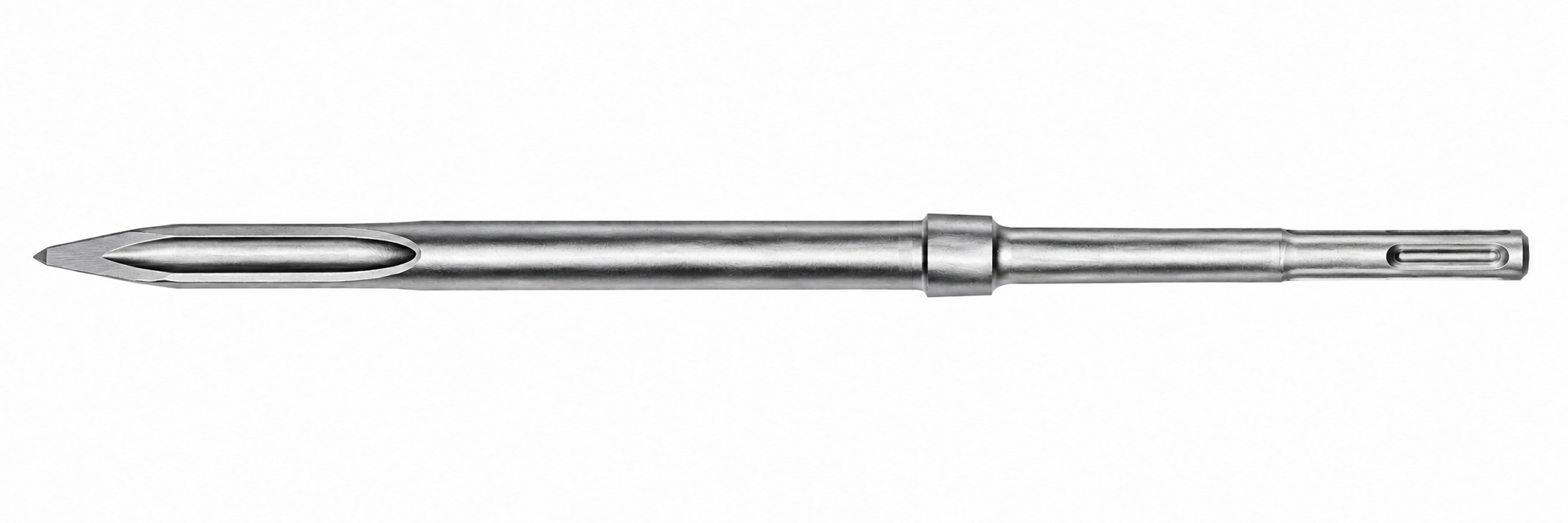
Overall length, body section and machine interface.
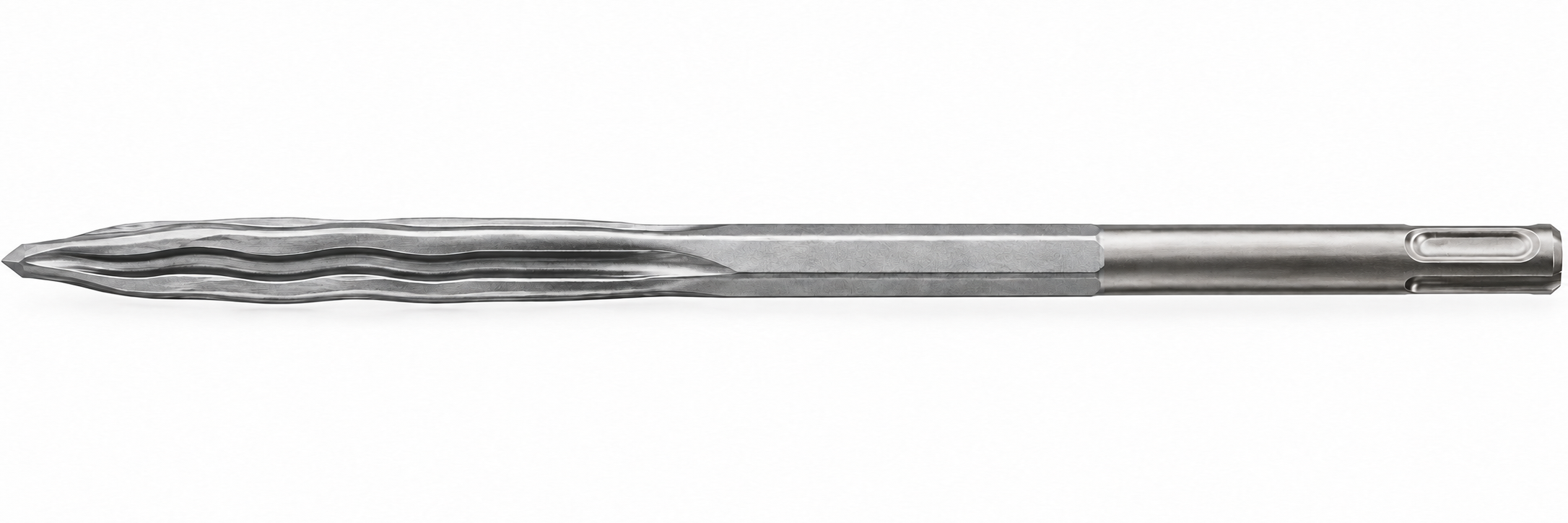
Machine model, overall length, working section and intended chiselling task.
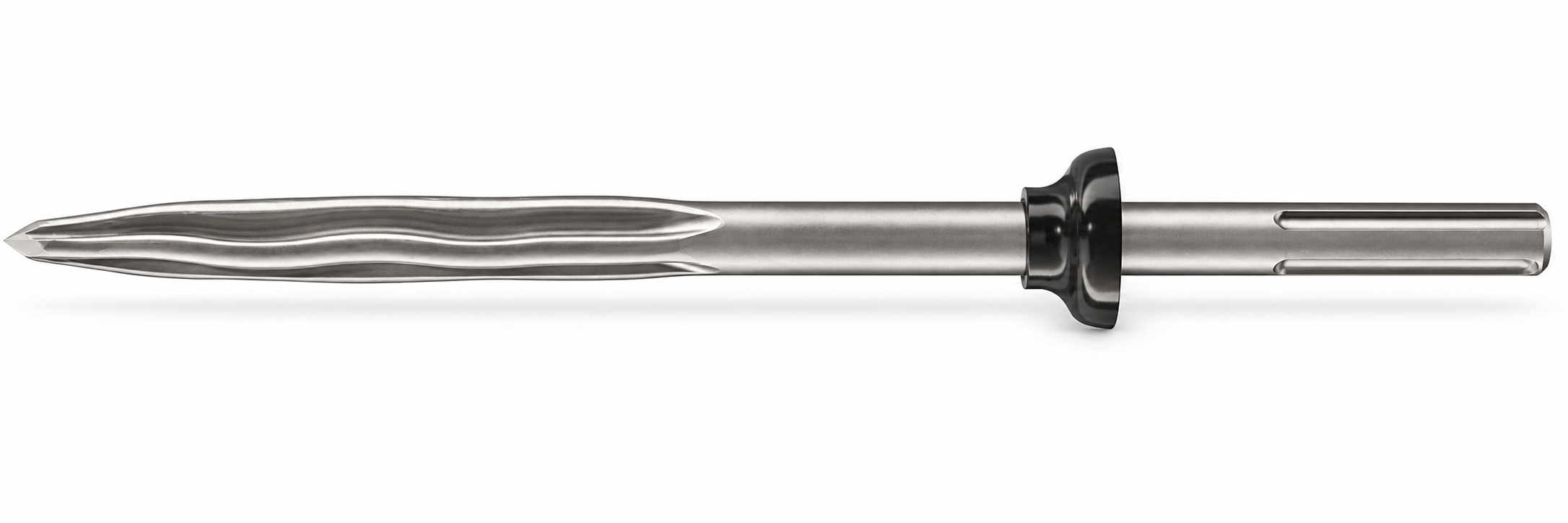
Hammer model, overall length, working-zone profile and target breaking task. Confirm the shank and sample together.
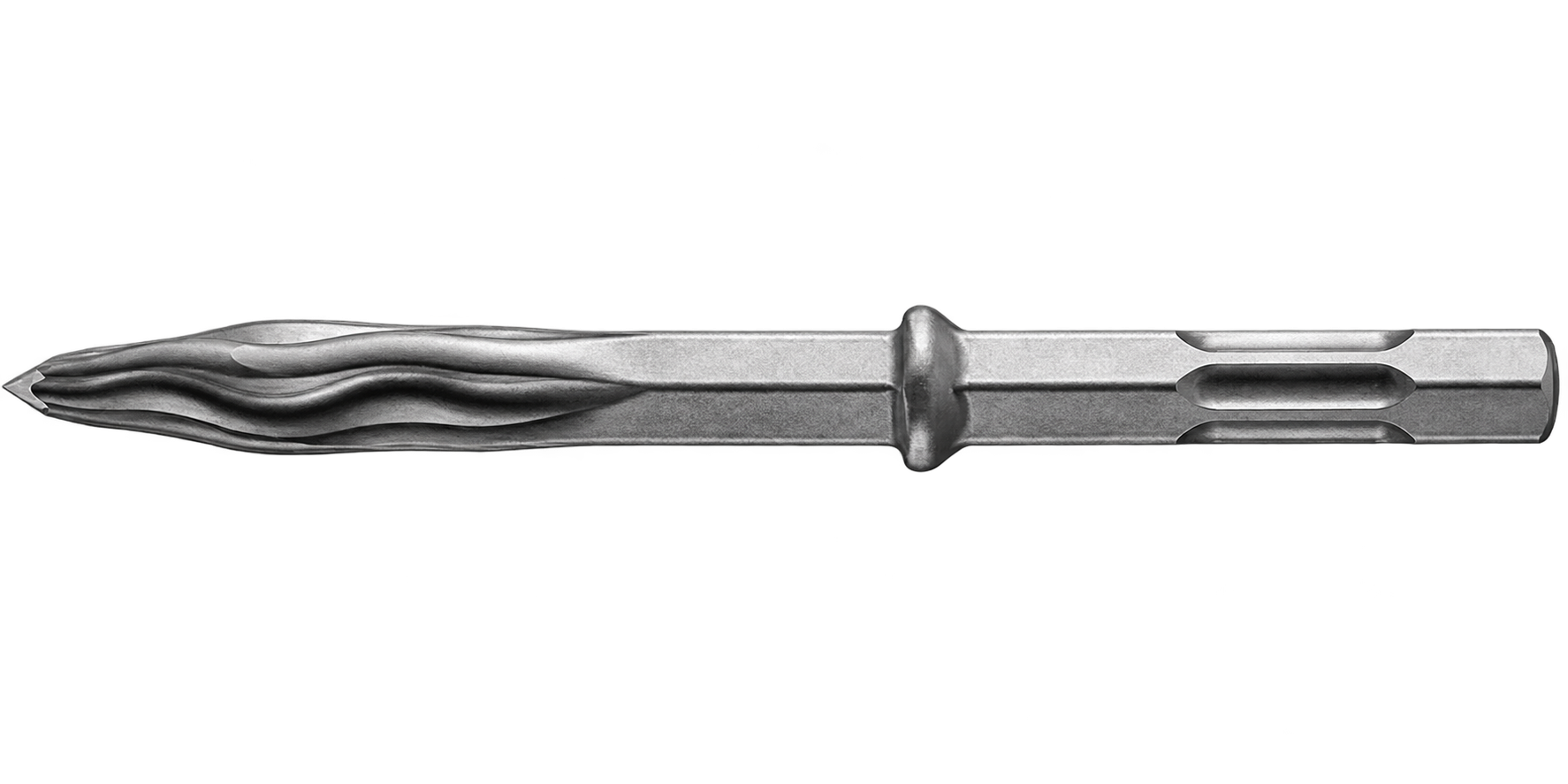
Machine model, shank interface, overall length and working-zone profile.
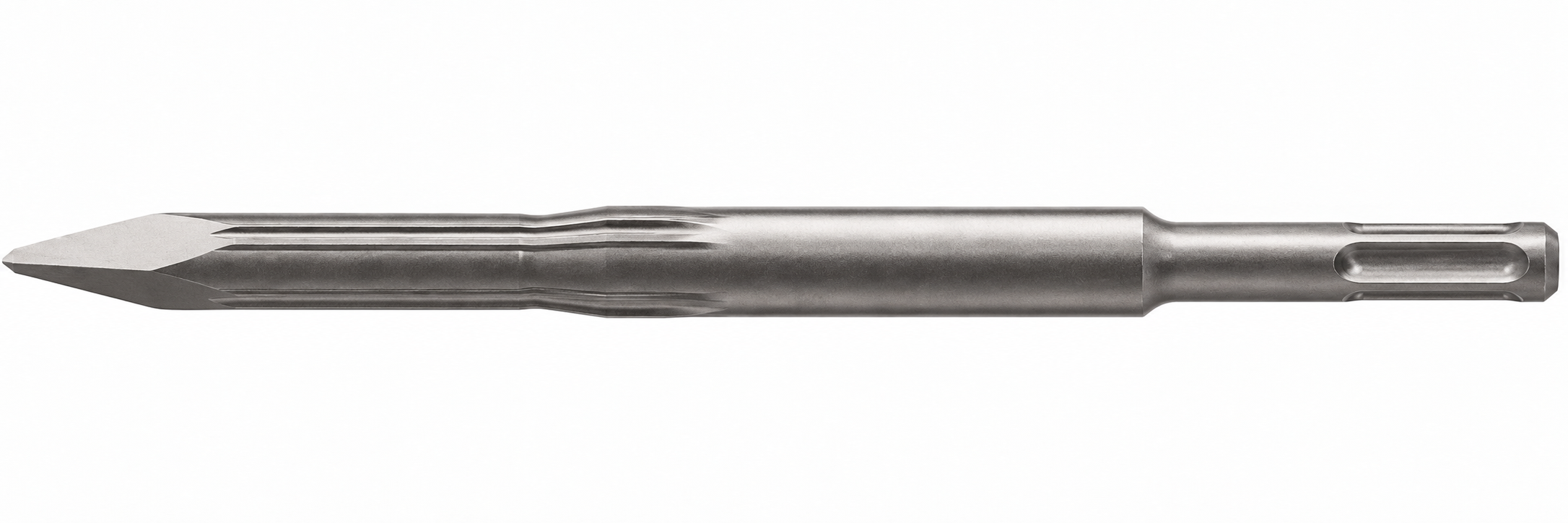
Machine model, point/body section, overall length and local removal task. Steel and treatment follow the approved specification.
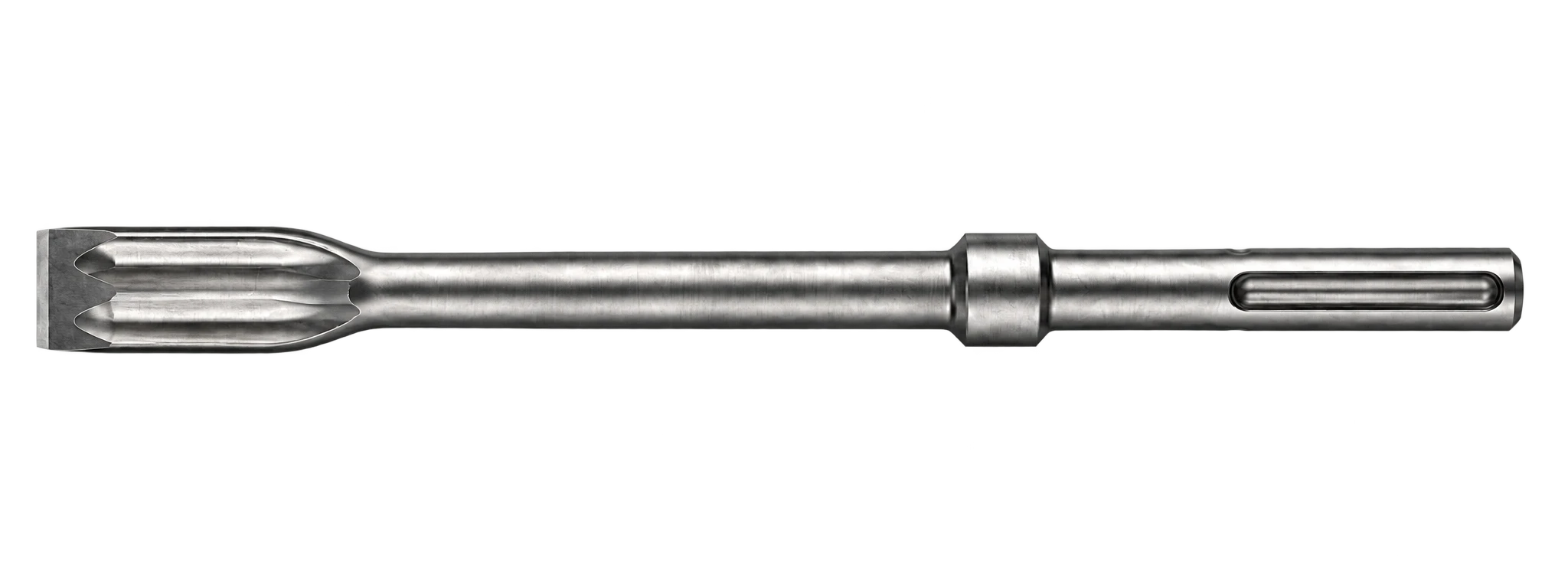
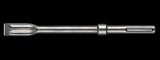
Hammer model, cutting-edge width, overall length and quantity. Available individually or with the 400 mm pointed chisel.
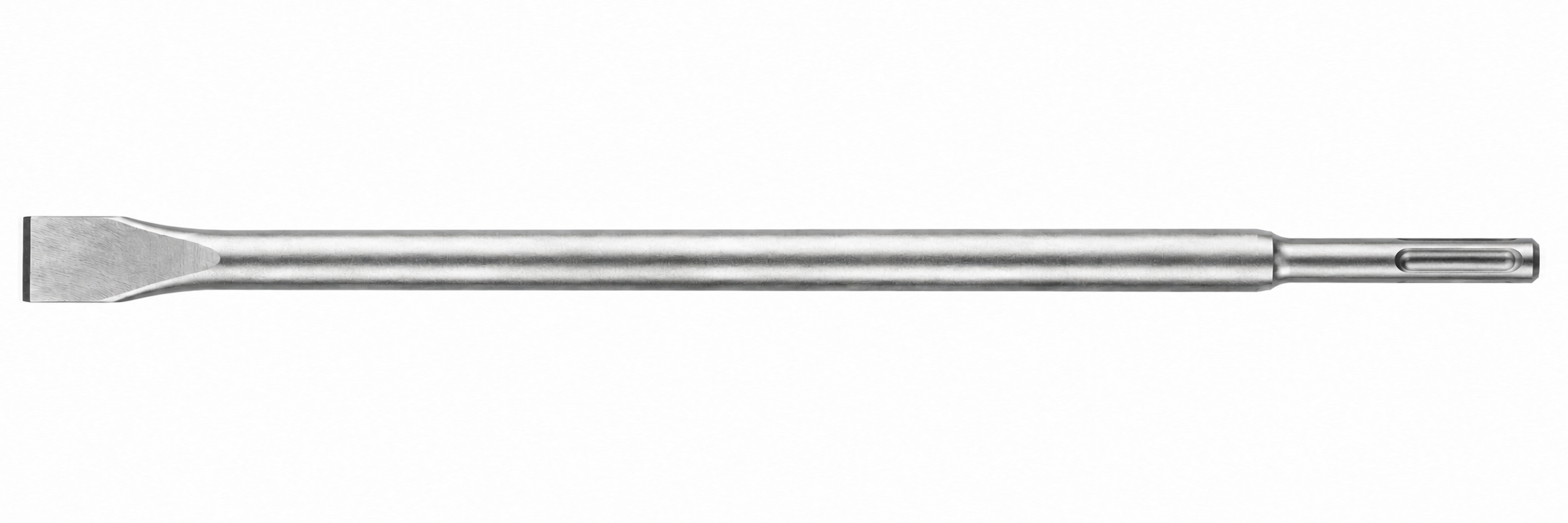
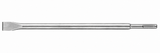
Edge width, overall length and access to the work.
Select blade width, angle and construction for the surface layer: steel blades, carbide teeth or replaceable scrapers.
Edge width, layer condition and machine class.
Bend/offset, width, reach and clearance.
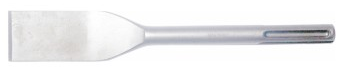
Bend/offset, width, reach and clearance.
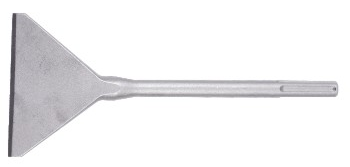
Edge width, layer condition and machine class.
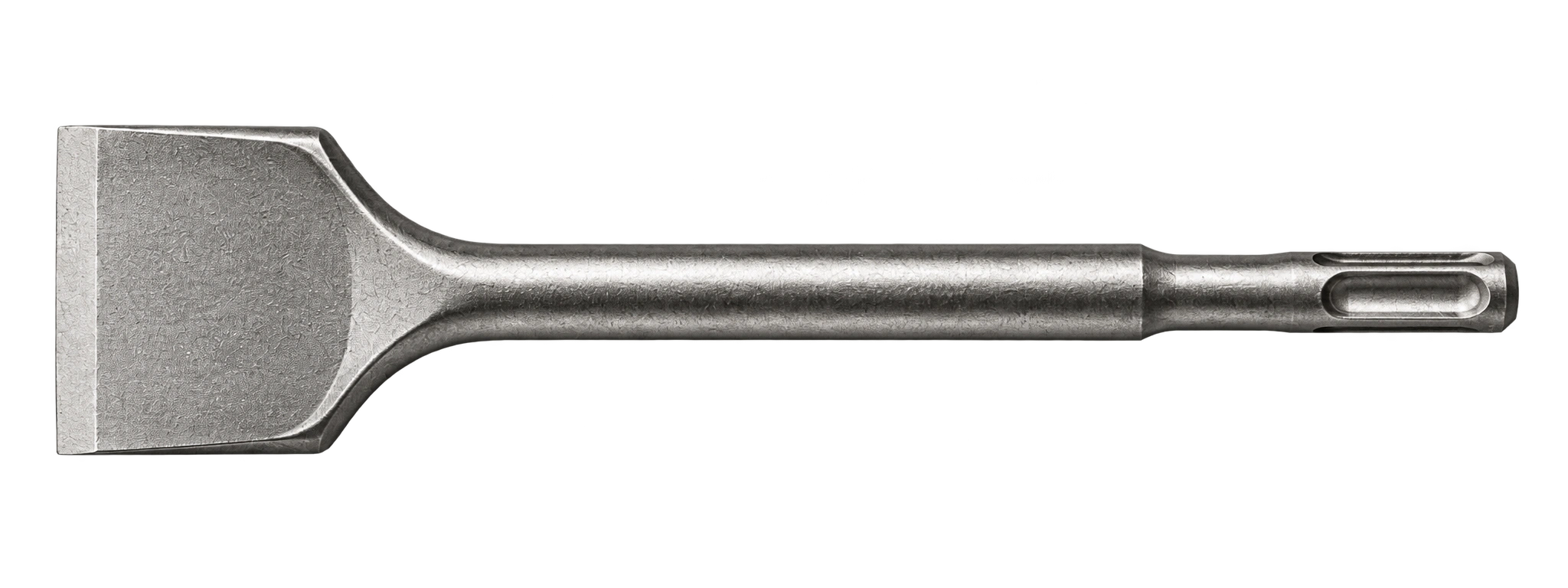
Edge width, layer condition and machine class.
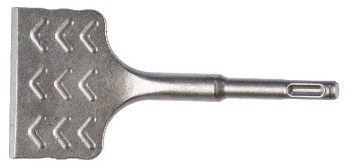
Edge width, layer condition and machine class.
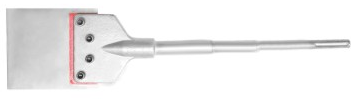
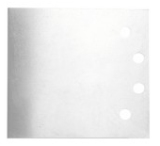
Blade width/thickness, hole pattern and replacement fasteners.
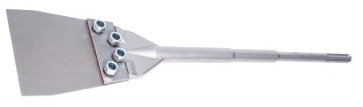
Blade width/thickness, hole pattern and replacement fasteners.
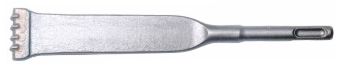
Tooth arrangement, edge width, substrate and hammer class.
Choose channel geometry for new service routes or a narrow offset working end for mortar-joint cleaning.

Channel width/depth, profile and substrate.
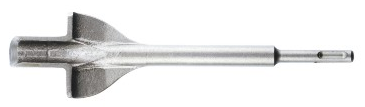
Channel width/depth, profile and substrate.

Channel width/depth, profile and substrate.

Joint width and depth, masonry type and access angle.
Pavement cutting and soil loosening are separate tasks with different working assemblies.
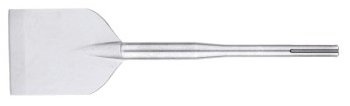
Cutting width, pavement condition and breaker model.
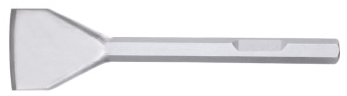
Cutting width, pavement condition and breaker model.
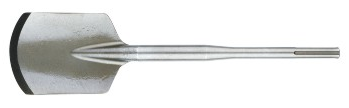
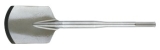
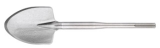
Spade shape/width, ground condition and reach.
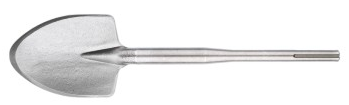
Spade shape/width, ground condition and reach.
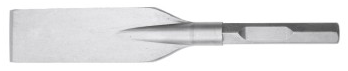
Spade shape/width, ground condition and reach.
Separate cutting blades from punches, then match the air-hammer model and shank.
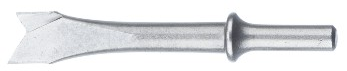
Air-tool model, shank/collar, working-end dimensions and workpiece thickness or pin diameter.

Air-tool model, shank/collar, working-end dimensions and workpiece thickness or pin diameter.

Air-tool model, shank/collar, working-end dimensions and workpiece thickness or pin diameter.

Air-tool model, shank/collar, working-end dimensions and workpiece thickness or pin diameter.

Air-tool model, shank/collar, working-end dimensions and workpiece thickness or pin diameter.

Air-tool model, shank/collar, working-end dimensions and workpiece thickness or pin diameter.
Order replacement parts by the system they fit. Complete scrapers stay with their working task; ground rod drivers and tamper assemblies are grouped here with their own spare parts.
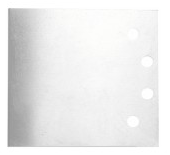
Blade width, height, thickness, hole spacing and edge style.
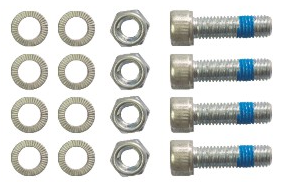
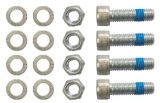
Holder model, thread, bolt length, head clearance and kit quantity.

Machine shank, stem length, holder connection and blade fixing pattern.
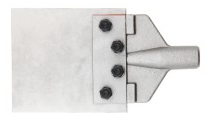
Stem connection, blade seating, hole pattern and mounting hardware.
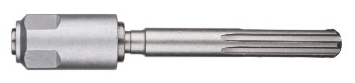
Machine model, both interfaces, locking arrangement and permitted operating mode.

Rod diameter, socket depth, retainer and shank.
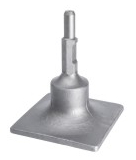
Pad dimensions, stem connection and permitted hammer attachment.
Pad dimensions, stem connection and permitted hammer attachment.

Machine interface, stem length, pad socket and retaining arrangement.
Pad outline, working area, socket dimensions and connection type.
Send the machine model or a tool-holder photo with the material and task. We will return the appropriate interface and working-end program.
Request a machine matchSDS family, hex across-flats, insertion length, collar and retaining groove are reviewed against the actual tool holder. For special systems, send a model or drawing.
Point, width, bend and reach follow the removal task. Scraper blades, driver sockets and tamper stems need their own mating dimensions.
Our premium chisels use 42CrMo alloy steel, with working-end geometry and heat treatment matched to the intended hammer duty. Material, finish and acceptance requirements are agreed in the order specification.
Why We Use 42CrMo for Our Premium Demolition Chisels →We agree the drawing, shank fit, working-end dimensions, marking and packaging together, so the approved configuration can be repeated across future orders.
Send the machine brand/model and clear photos of the tool holder and existing chisel shank. We use the dimensions and retaining features to confirm the match.
The across-flats dimension is one check. Insertion length, collar, retaining geometry and machine model also need to agree.
Wide or angled chisels suit many lifting tasks; a fixed or replaceable scraper is a separate option for bonded floor layers. Share the layer, substrate and access so we can match width and approach.
Choose a machine with the required chiselling function and compatible tool holder. We check the model together with the accessory; the SDS name alone does not establish the operating mode.
We build OEM programs by agreed interface, size mix, marking and packaging. Include replacement scraper blades, fastener patterns and pad/stem combinations in the specification review.
We also offer carbide-faced chisel and bushing programs. Carbide geometry and controlled-atmosphere mesh-belt or nitrogen-shielded high-frequency brazing are selected for the approved tooling design; these are separate from forged-steel working ends.
They describe different properties. Self-sharpening concerns retaining a useful edge or point through wear. Wave and polygon describe working geometry; SDS-Plus, SDS-Max and hex identify machine interfaces. A wave profile can also be self-sharpening. We confirm these requirements together in the selected specification.
Technical comparison of TCT-tipped (tungsten carbide tipped) chisels vs forged steel chisels for SDS rotary hammers. Covers cutting mechanism (raking shear vs impact fracture), substrate boundary, tooth-count geometry (4 / 6 / 8 tooth), carbide grade and brazing process — and when each tool is the right choice for mortar raking, tile removal, surface scaling, or structural demolition.
Product GuideChoose SDS-Max chisels for concrete breaking, tile removal, chasing and ground work. Compare Star Profile geometry, 42CrMo bodies, dimensions and replacement accessories.
Material ScienceManufacturer-side guide to 40Cr vs 42CrMo / 42CrMo4 for SDS drill bits, SDS-Max bodies, drill rods, and chisels. Compare steel spec, cost logic, carbide geometry, and when each material makes sense.
Machine model or photo · material and task · preferred length/width · quantity by size. Add spare scraper blades, tamper pads or OEM packaging to the same request.
Request a machine match