Factors Affecting Lifespan
There is no single answer to "how long lasts a bit" because variables vary wildly. The main factors are:
- Material Hardness: Drilling C20 concrete vs. C50 reinforced concrete changes lifespan by 5x.
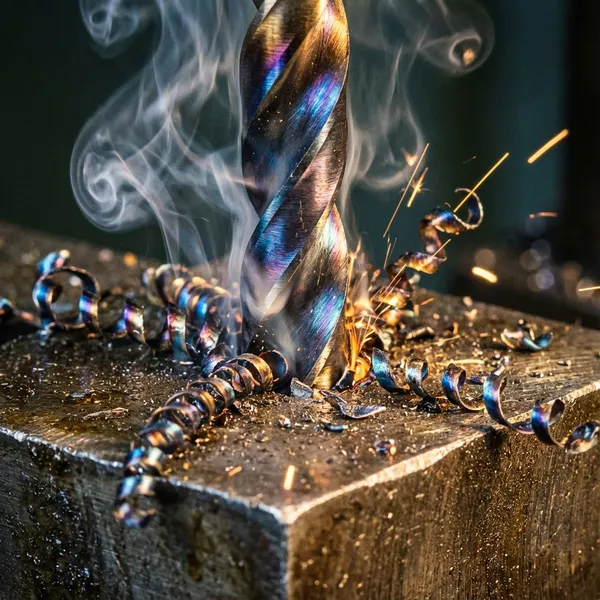
- Heat Management: Allowing bits to cool prevents carbide oxidation (`burning`).
- User Technique: Pushing too hard (forcing) overheats the tip; pushing too soft (rubbing) dulls the edge.
- Bit Quality: Carbide grade, brazing quality, and steel body heat treatment.
Realistic Hole Counts (Estimates)
These are professional estimates for standard conditions. Your mileage may vary.
SDS-Plus Masonry Bits (6mm - 12mm)
| Material | Standard 2-Cutter | Premium 4-Cutter |
|---|---|---|
| Red Brick | 500+ holes | 800+ holes |
| Standard Concrete | 150-250 holes | 300-500 holes |
| Reinforced Concrete | 20-50 hits (Rebar) | 100+ hits (Rebar) |
HSS Metal Bits (Cobalt/M35)
- Mild Steel: hundreds of holes if cooled.
- Stainless Steel: 20-50 holes per sharpening if speed is controlled.
- Aluminum: Nearly indefinite if chip evacuation is managed.
Signs of Wear: When to Retire
Don't wait for the bit to snap. Replace or sharpen when:
- Drilling time doubles: If it used to take 10 seconds and now takes 20, the energy is going into heat, not cutting.
- Screeching sound: Indicates the clearance angle is worn off (rubbing).
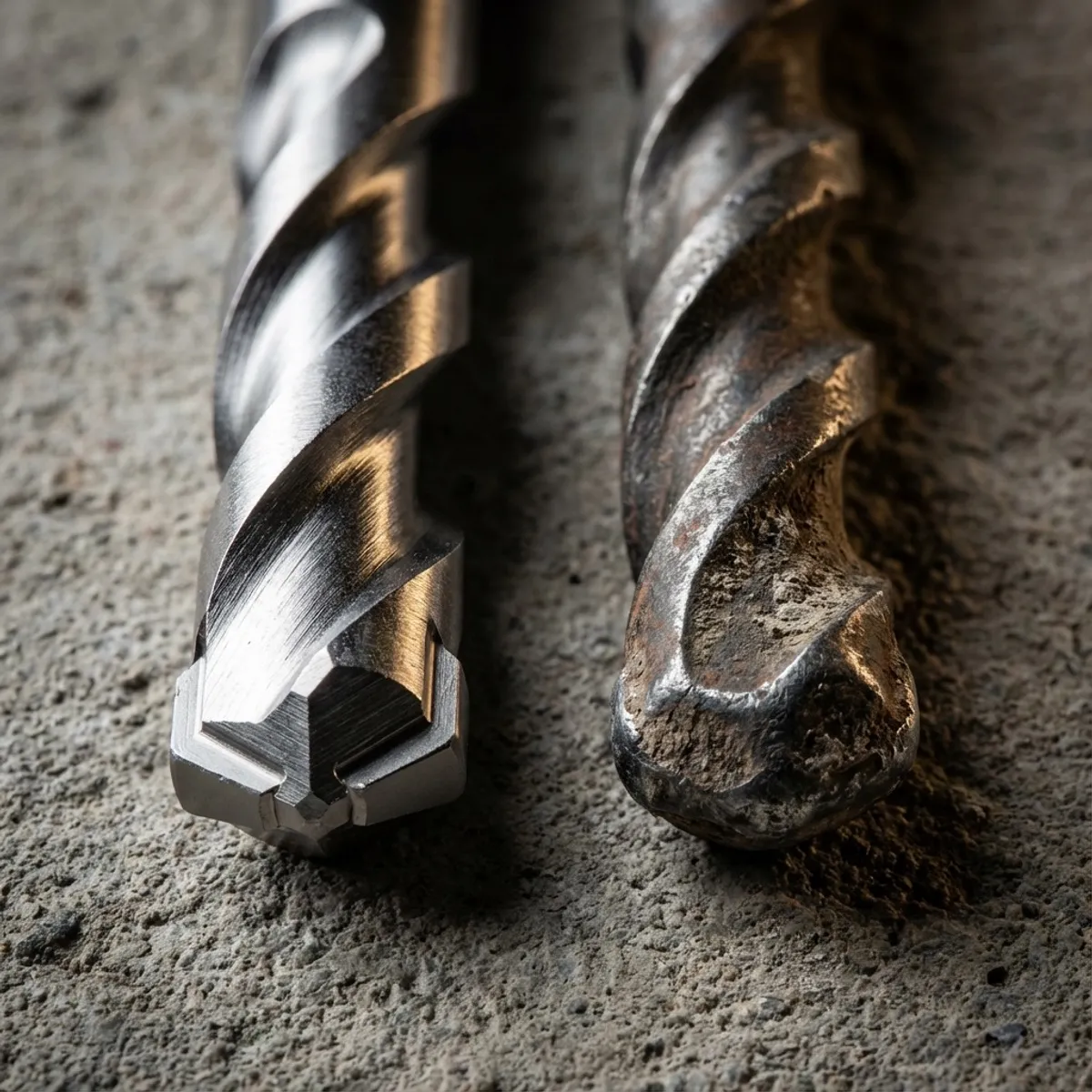
- Head rounding (Masonry): If the carbide edges are rounded over, it hammers without cutting.
- Diameter loss: For anchor installation, a worn bit might drill a hole that is too small (e.g., 5.8mm instead of 6.0mm), causing anchors to fail.
How to Extend Tool Life
- Coolant is King: For metal, always use cutting oil. For concrete, pull back frequently to let air cool the tip.
- Right RPM: Follow recommended speed charts. Too fast burns the bit.
- Don't Force It: Let the tool do the work. Lean-in pressure should be moderate.
- Transport Protection: Don't throw bits loose in a box; carbide chips easily against other steel tools.