
Where Trijet Ultimate Fits
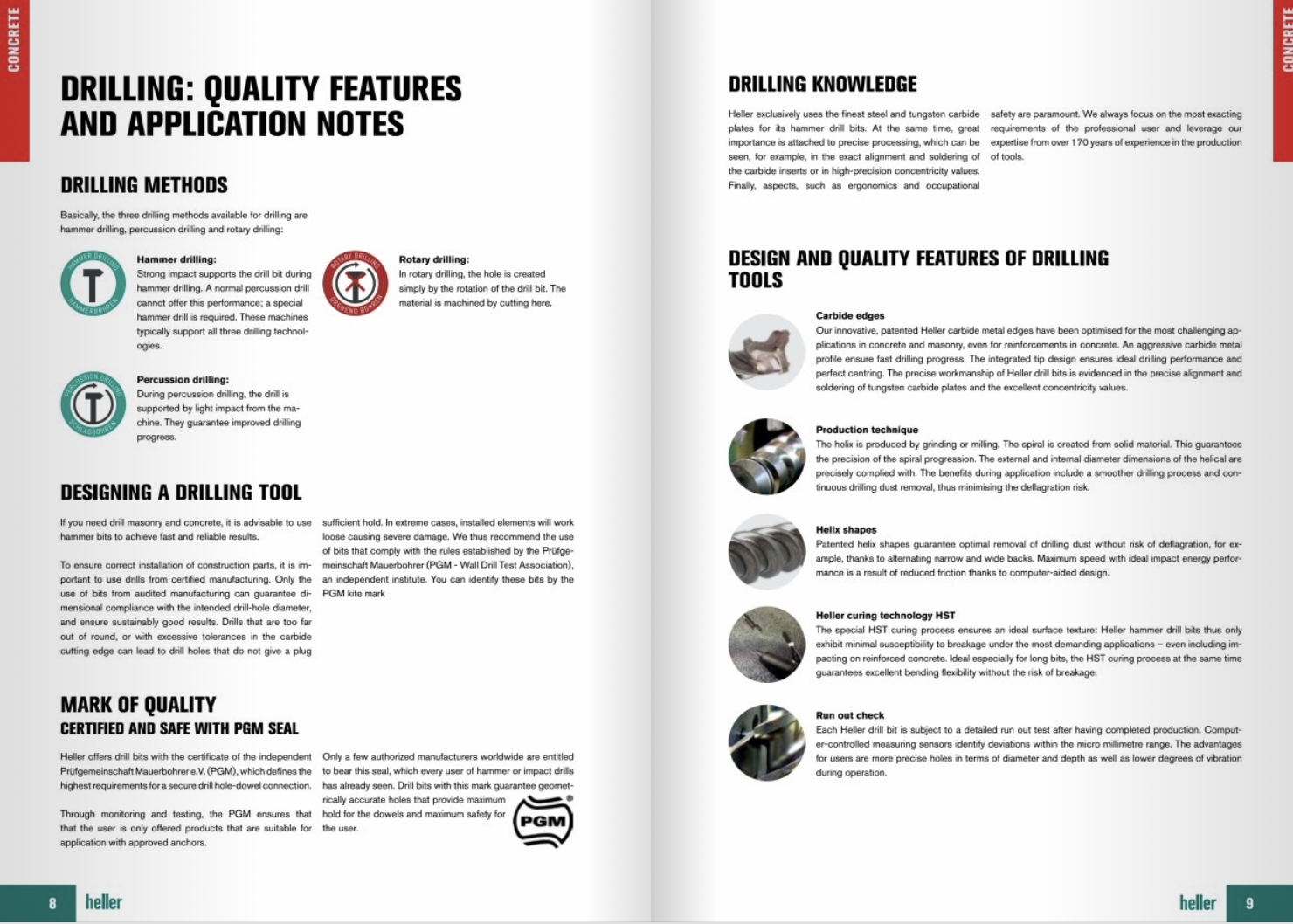
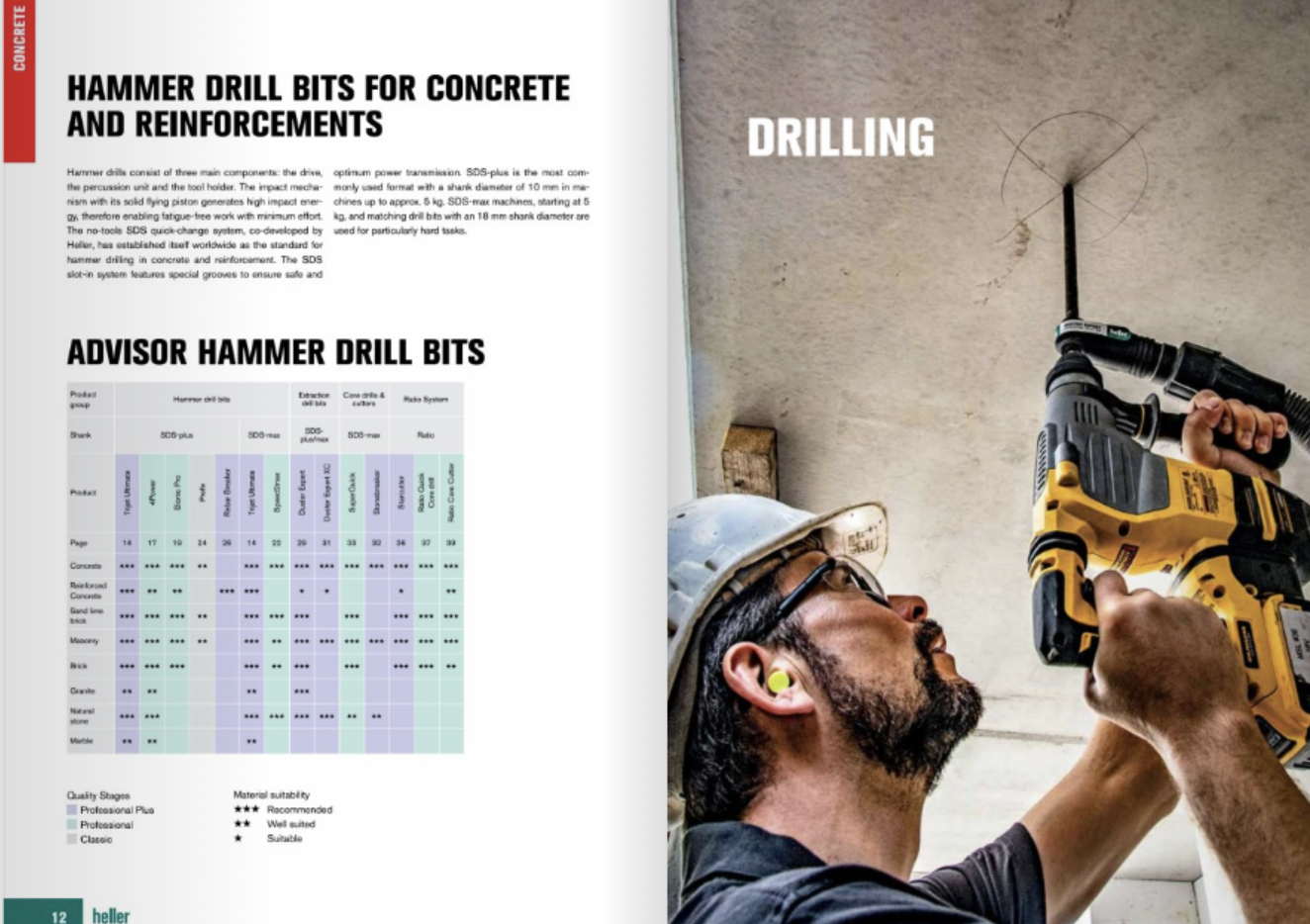
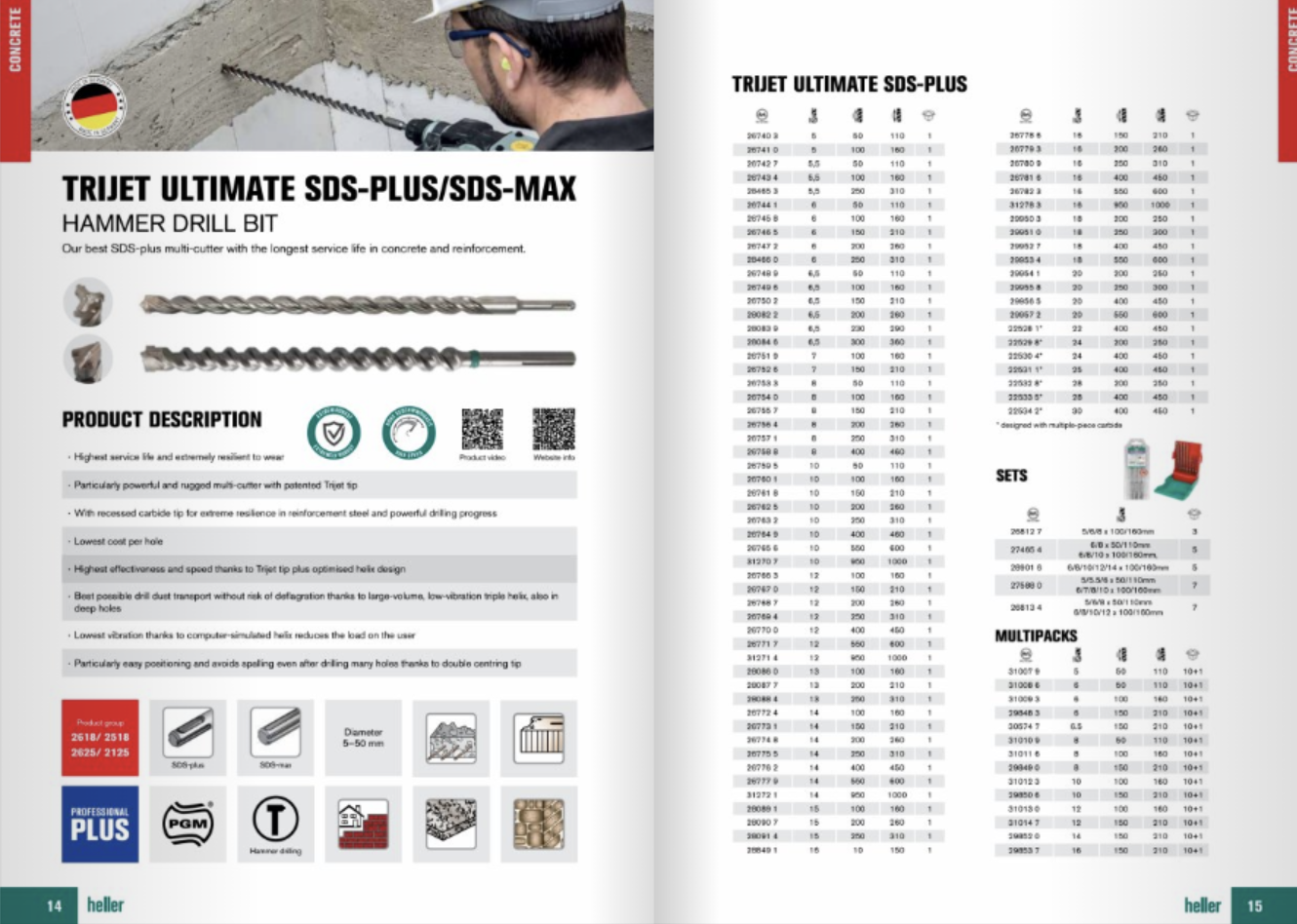
Heller Trijet Ultimate is a premium multi-cutter family for professional concrete and reinforced-concrete drilling. Its recognisable three-direction head combines centring geometry with generous dust passages and an optimised helical body. The 2025 catalogue places it in Heller’s Professional Plus tier and presents both SDS-Plus and SDS-Max versions.
For a distributor or OEM buyer, the useful question is how the complete bit works: the substrate and reinforcement, the hammer platform, the cutting head, the flute and the finished hole. Three cutting directions describe one part of that system; the catalogue also separates larger Y-cutter designs and identifies multi-piece carbide versions.

Three Cutting Directions and the Double Centring Tip
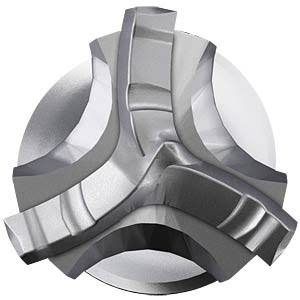
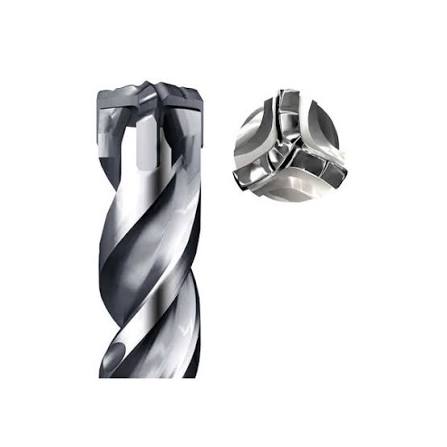
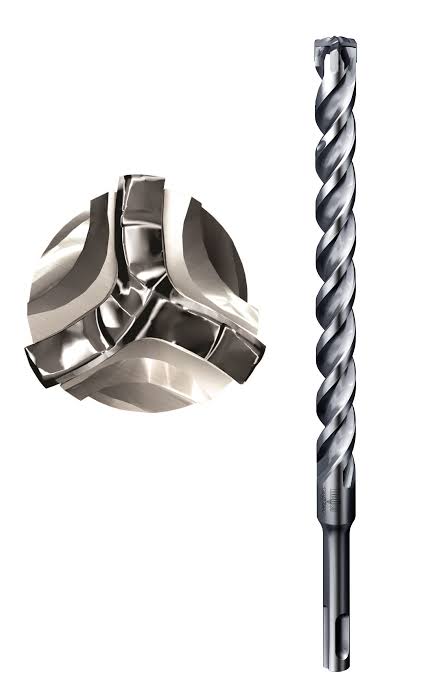
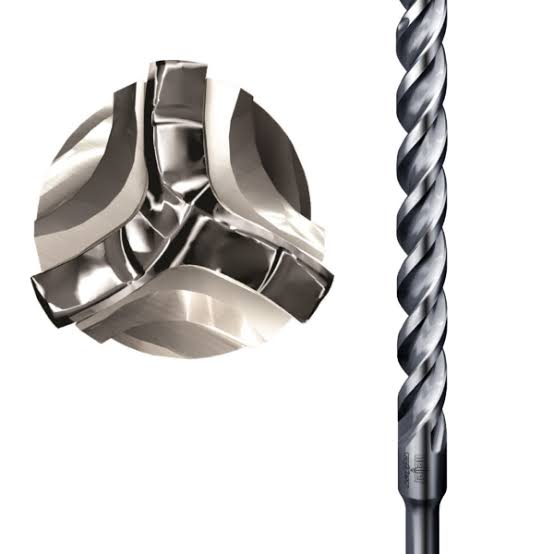
The Trijet head distributes its cutting geometry around the axis in three directions. Heller describes equal-height cutting edges and reverse curvature on the current SDS-Plus model, together with reinforcement-protection chamfers. The intent is stable engagement and less snagging as the head meets reinforcement.
The double centring tip is a starting feature. It helps place the hole and keep the initial contact controlled; it does not turn the product into a two-cutter. Likewise, three active cutting directions do not specify how many separate carbide components were used to manufacture the head.
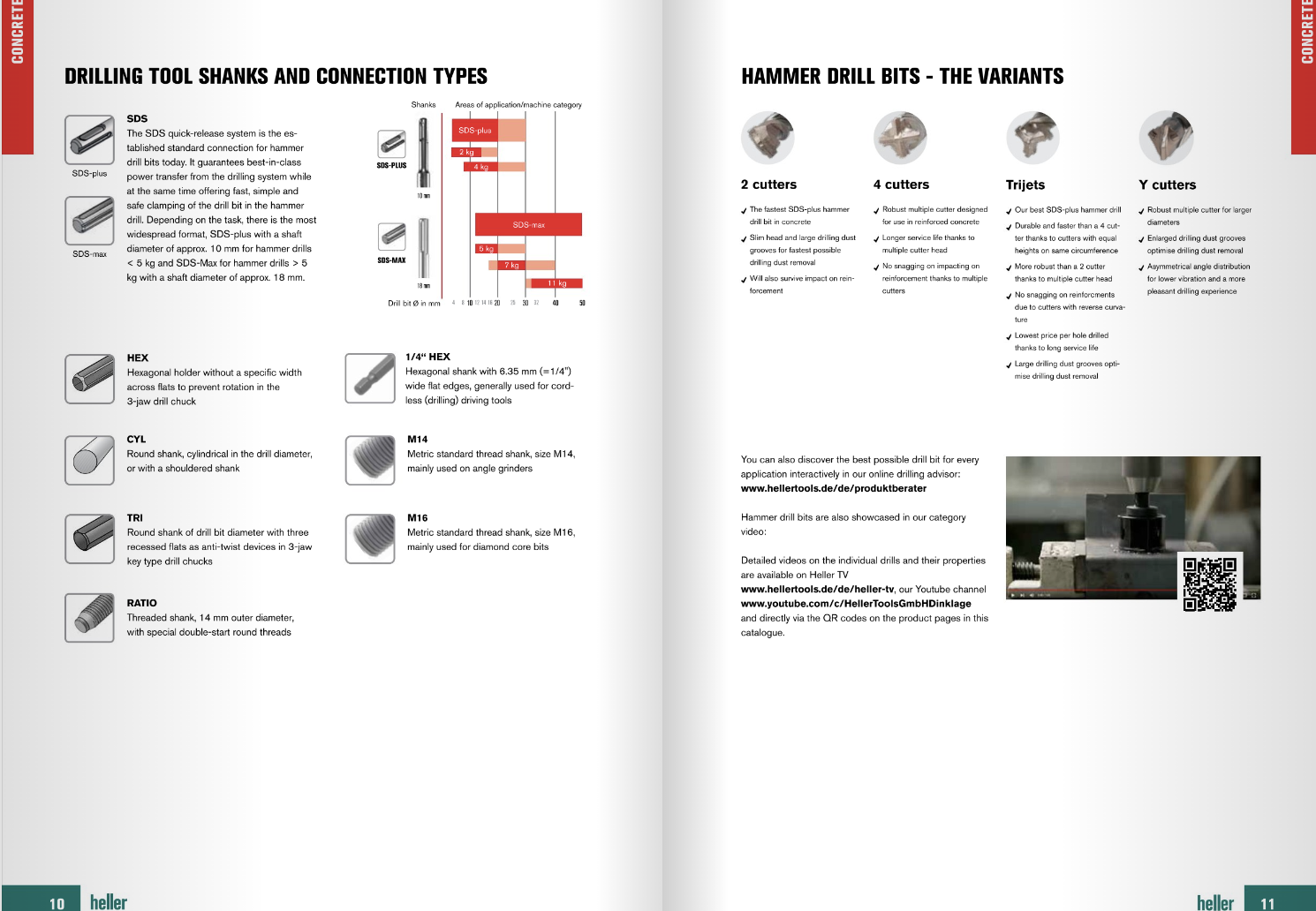
Heller’s catalogue comparison on page 11 distinguishes two-cutters, four-cutters, Trijets and Y-cutters. It links Trijet’s performance to the cutting-edge geometry and dust passages. Use that as a description of Heller’s design, then compare samples on the same concrete, hammer and hole specification.
Carbide Construction Changes Across the Range
The 2025 catalogue gives an important construction clue: selected large-diameter references carry an asterisk for multiple-piece carbide. That note appears in both interface tables. It is why an accurate Trijet article must distinguish cutting-edge layout from the physical carbide assembly.
The current small-diameter SDS-Max product page describes an embedded solid carbide head. For the wider catalogue range, use the exact article number and its footnote to identify the construction. The table below records the 2025 catalogue grouping; an unstarred entry alone is not a welding-process specification.
| Interface | 2025 diameter group | Catalogue construction note |
|---|---|---|
| SDS-Plus | Ø5–20 mm | Standard entries without the multi-piece asterisk |
| SDS-Plus | Ø22–30 mm* | Multiple-piece carbide explicitly marked |
| SDS-Max | Ø12–20 mm | Standard entries; small-diameter product page describes an embedded solid carbide head |
| SDS-Max | Ø22–50 mm* | Multiple-piece carbide explicitly marked |
* Construction grouping from printed pages 15–16. The exact reference controls the supplied version.
The Triple Helix and Dust Transport
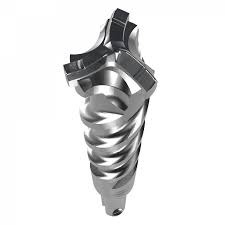
The triple helix is the dust-transport system behind the head. The head fractures the concrete; the flute gives the fragments space and a route out of the bore. Heller’s page 14 description emphasises a large-volume triple helix and low vibration, including in deep holes.
This is a separate design variable from the three cutting directions. For deep drilling, assess the flute opening at the head, the core section, dust movement and progress over the complete hole. A strong head still needs a body that clears debris consistently. Dust collection at the work surface is handled by the selected extraction setup.
SDS-Plus, SDS-Max and Three Independent Dimensions
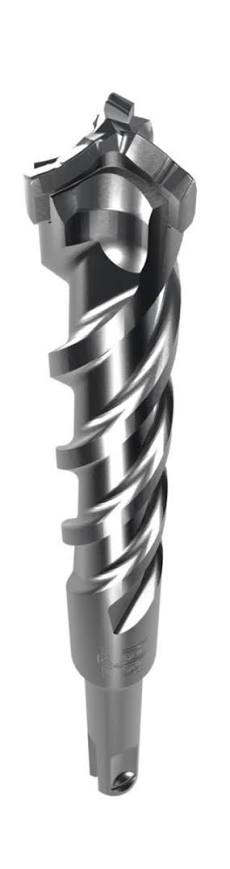
SDS-Plus and SDS-Max identify the machine connection. They are not interchangeable holders, and the same family name does not make the two drill bodies identical. Match the interface to the rotary hammer before choosing the diameter and depth.
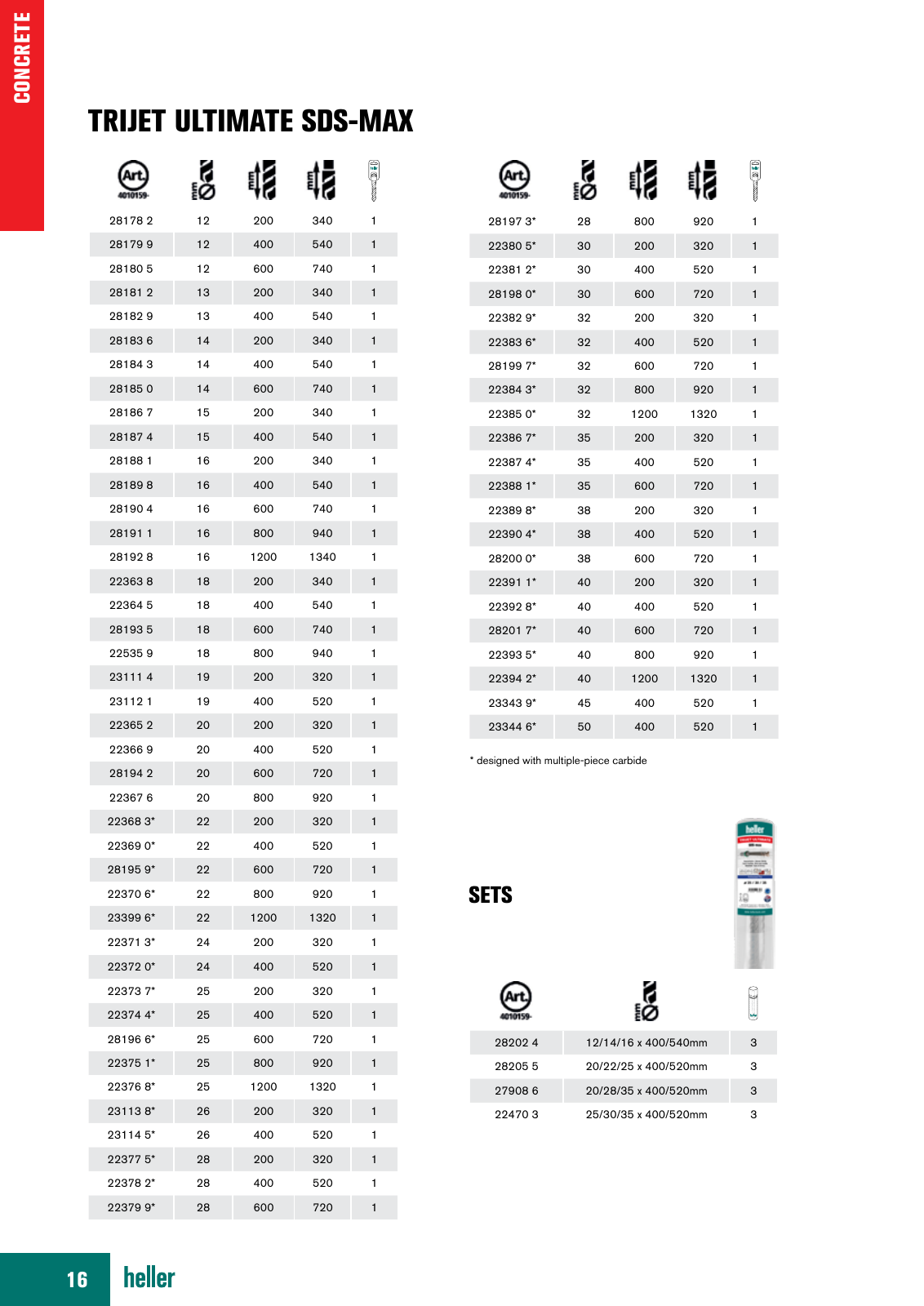
Keep diameter, working length and overall length in separate order fields. A 10 mm bit with 400 mm working length is not a 400 mm overall-length bit. The examples below are taken from the 2025 catalogue; supply and current references should be checked against the order.
| Article number | Interface | Diameter (mm) | Working length (mm) | Overall length (mm) |
|---|---|---|---|---|
| 26754 | SDS-Plus | 8 | 100 | 160 |
| 26764 | SDS-Plus | 10 | 400 | 460 |
| 26765 | SDS-Plus | 10 | 550 | 600 |
| 28188 | SDS-Max | 16 | 200 | 340 |
| 22369* | SDS-Max | 22 | 400 | 520 |
| 22383* | SDS-Max | 32 | 400 | 520 |
Examples: catalogue pages 15–16. The asterisk identifies a multiple-piece carbide reference.
Performance Claims, PGM and Manufacturing Quality
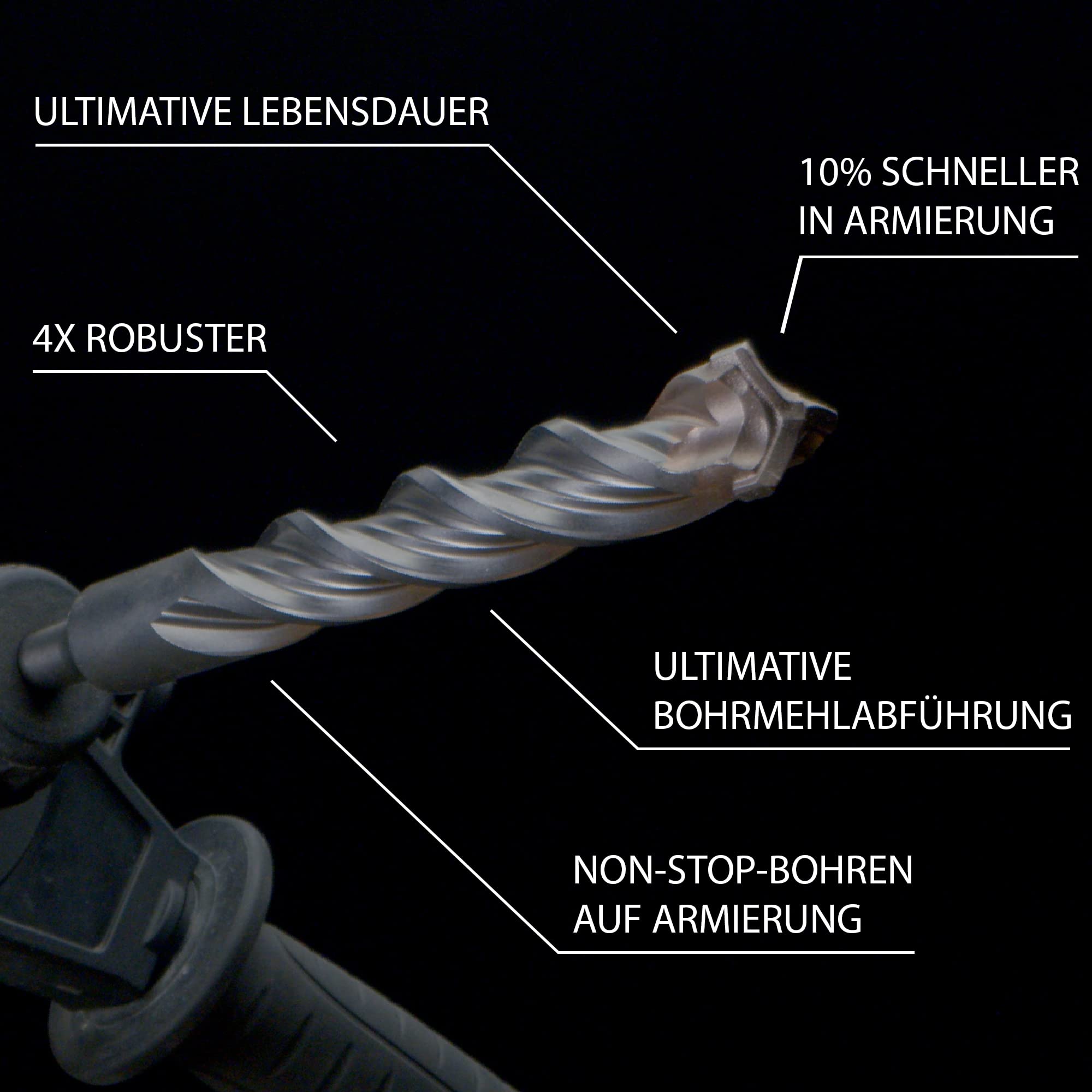
Heller’s promotional images make durability, speed and dust-removal claims. The official product pages use different comparisons for SDS-Plus and SDS-Max, so keep each claim with its stated benchmark. Robustness, drilling speed and service life are different measurements.
The catalogue’s quality pages discuss carbide alignment, dimensional control, HST treatment and runout checks. These connect the head design to hole accuracy and body durability. For an OEM specification, put carbide grade, joint construction, straightness and runout into the agreed drawing and sample inspection rather than treating a family name as the full specification.
The catalogue shows PGM marking for this family. Its practical role is dimensional conformity for anchor drilling; anchor performance also depends on the selected anchor, substrate, hole depth, cleaning and installation. Reinforcement contact should follow the approved drilling plan.
| Product page | Heller’s stated comparison | How to read it |
|---|---|---|
| SDS-Plus | 10% quicker in concrete and 35% quicker in reinforcement; page discusses the predecessor | Product-specific manufacturer claims, not a universal result for every size |
| SDS-Max | Up to 4× robustness versus competitor products; up to 10% faster concrete drilling versus the predecessor | Different benchmarks for robustness and speed; neither means four times the service life |
Recognising Packaging and Product Generations
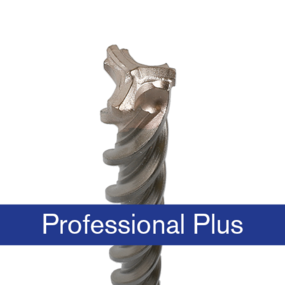
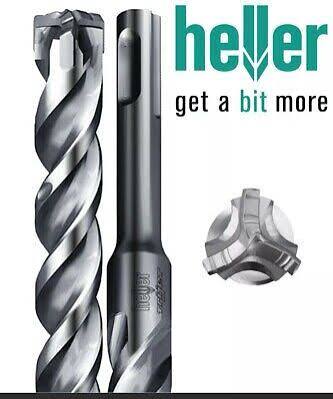
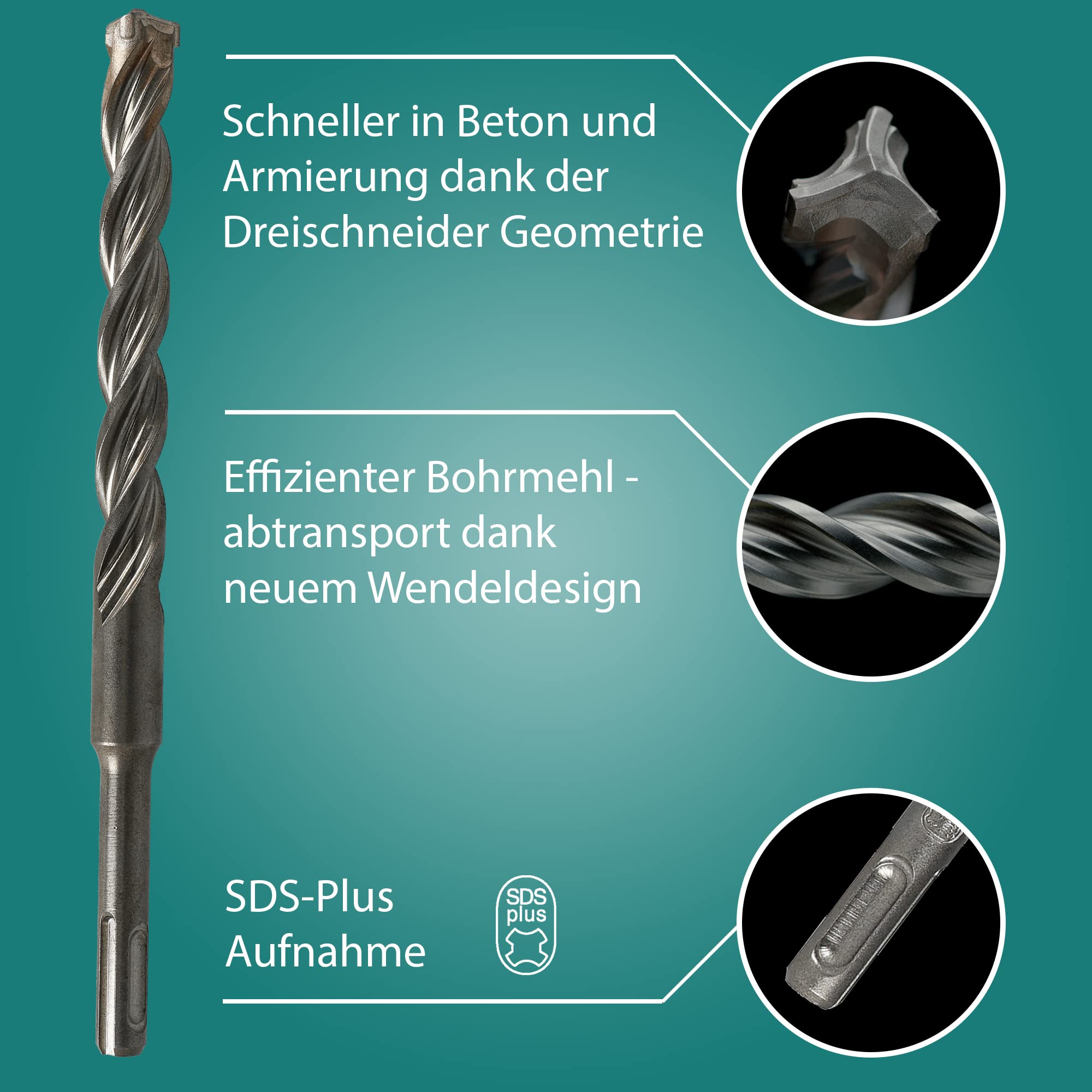
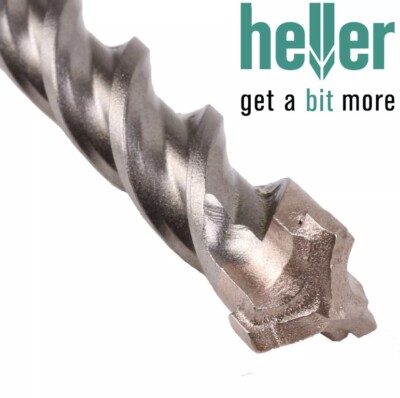
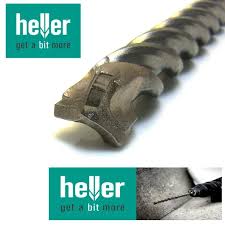
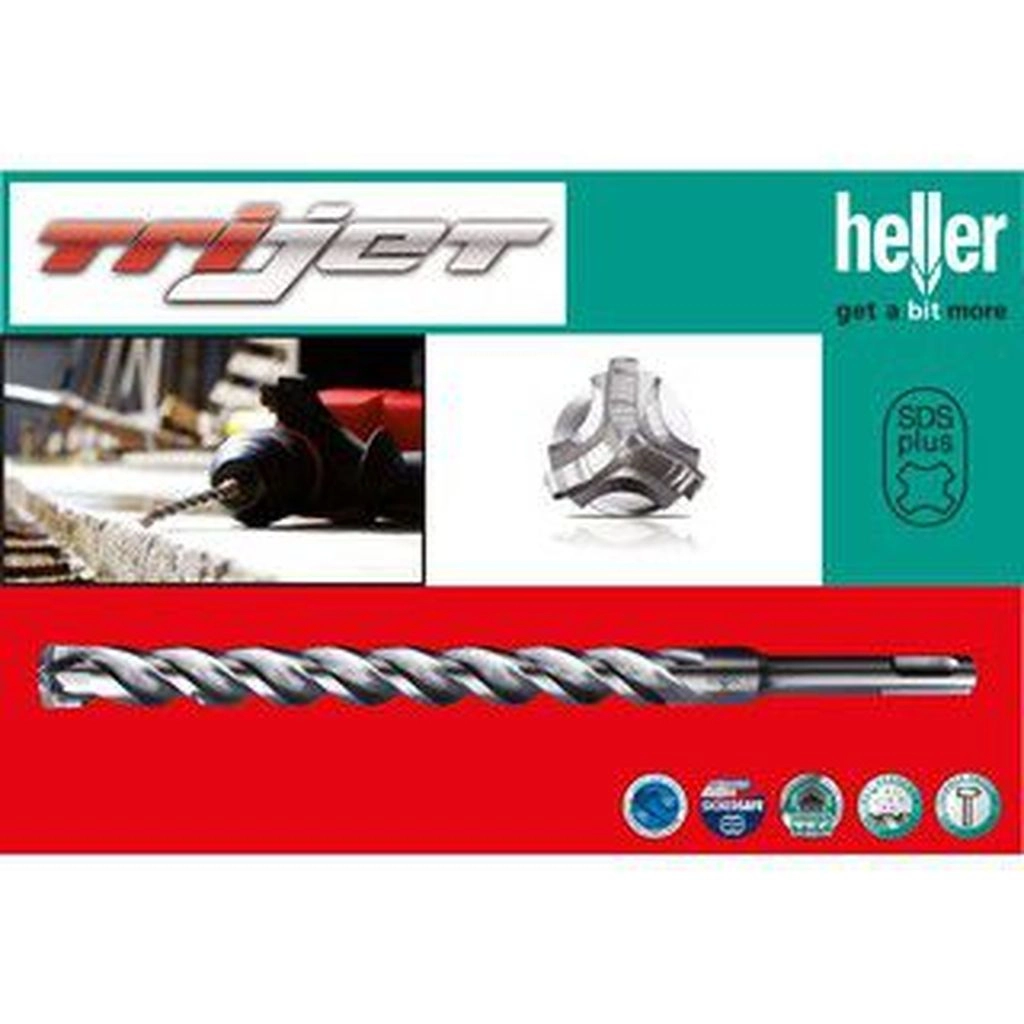
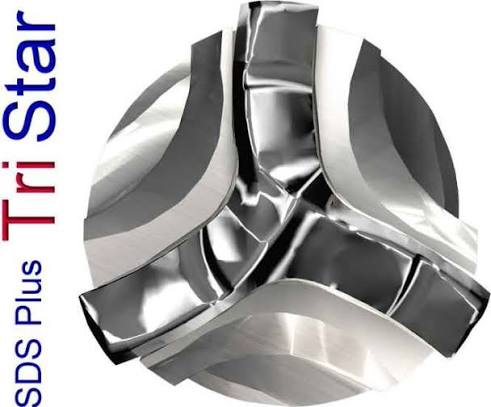
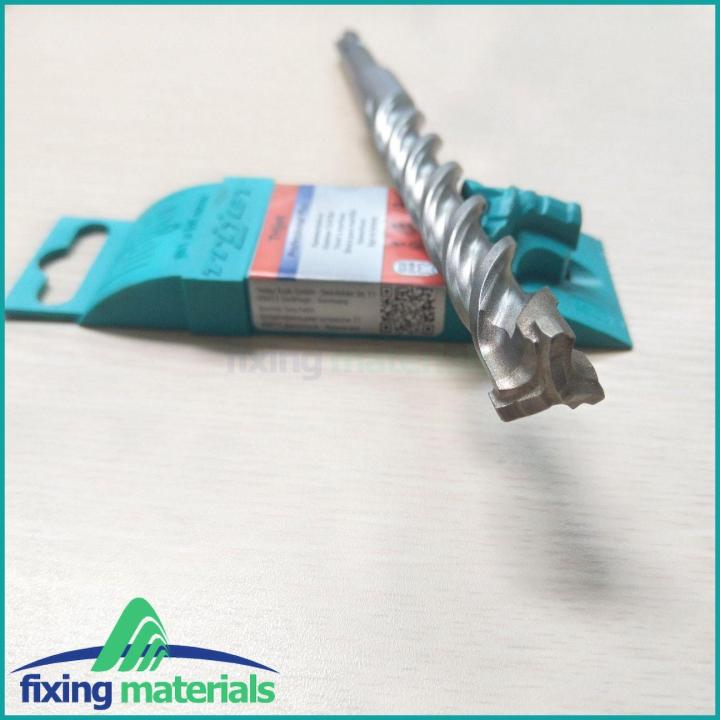
The image references include older Trijet branding, a TriStar-labelled graphic, current Ultimate promotion and a real bit beside its packaging. They are useful for recognising product generations and comparing head views. A TriStar label is retained as a historical reference, not presented as a current Trijet Ultimate article number.
When purchasing stock, check the actual label, article number, interface and three dimensions. A familiar head photograph is a good visual reference, but the marked specification is the order identity.
Building a Zhonghuan Three-Cutter OEM Range
We develop SDS drilling ranges around the intended concrete, reinforcement contact and hammer platform. For a three-cutter private-label programme, we can align the head architecture, shank, working length, flute, carbide selection and joining route with the target application, then agree the sample checks.
Send us the hole diameter and depth, hammer model, representative concrete/rebar conditions and preferred packaging. We can turn those inputs into a practical sample and quotation plan. Compare roundness, size, drilling progress, head condition and runout on the same test setup.
Frequently Asked Questions
Is every Trijet a three-piece carbide head?
No. Three-direction cutting geometry and carbide-piece count are different specifications. The 2025 catalogue explicitly marks selected large references as multiple-piece carbide, while the small-diameter SDS-Max page describes an embedded solid carbide head.
Does the triple helix mean three cutting edges?
The helix describes the flute behind the head. Cutting-edge layout describes the head. Both contribute to performance, but they are separate features.
Are Trijet SDS-Plus and SDS-Max interchangeable?
No. The shank must match the rotary hammer’s holder. Confirm interface, diameter, working length and overall length for the exact article number.
Is a three-cutter always better than a four-cutter?
Select the complete drill for the job. Compare hole accuracy, progress, reinforcement behaviour and wear using the same concrete, hammer, diameter and depth; edge count alone does not decide the result.
Official References and Catalogue Images
- Heller 2025 catalogue: printed pages 8–16
- Heller Trijet Ultimate SDS-Plus: current product page
- Heller Trijet Ultimate SDS-Max: current product page
Open the supplied catalogue spreads