Ordered Diamond Array vs Uniform Distribution: Engineering Comparison for Diamond Tool Procurement

Author Traven (Export Manager, Zhonghuan Tools)
Published 2026-05-29
Reading Time 8 min read

Ready to Move This Into Quotation?

Convert this article context into an actionable quote by sending specs and target quantity.

Request Engineering Quote
Ordered Diamond Array vs Uniform Distribution: Engineering Comparison for Diamond Tool Procurement
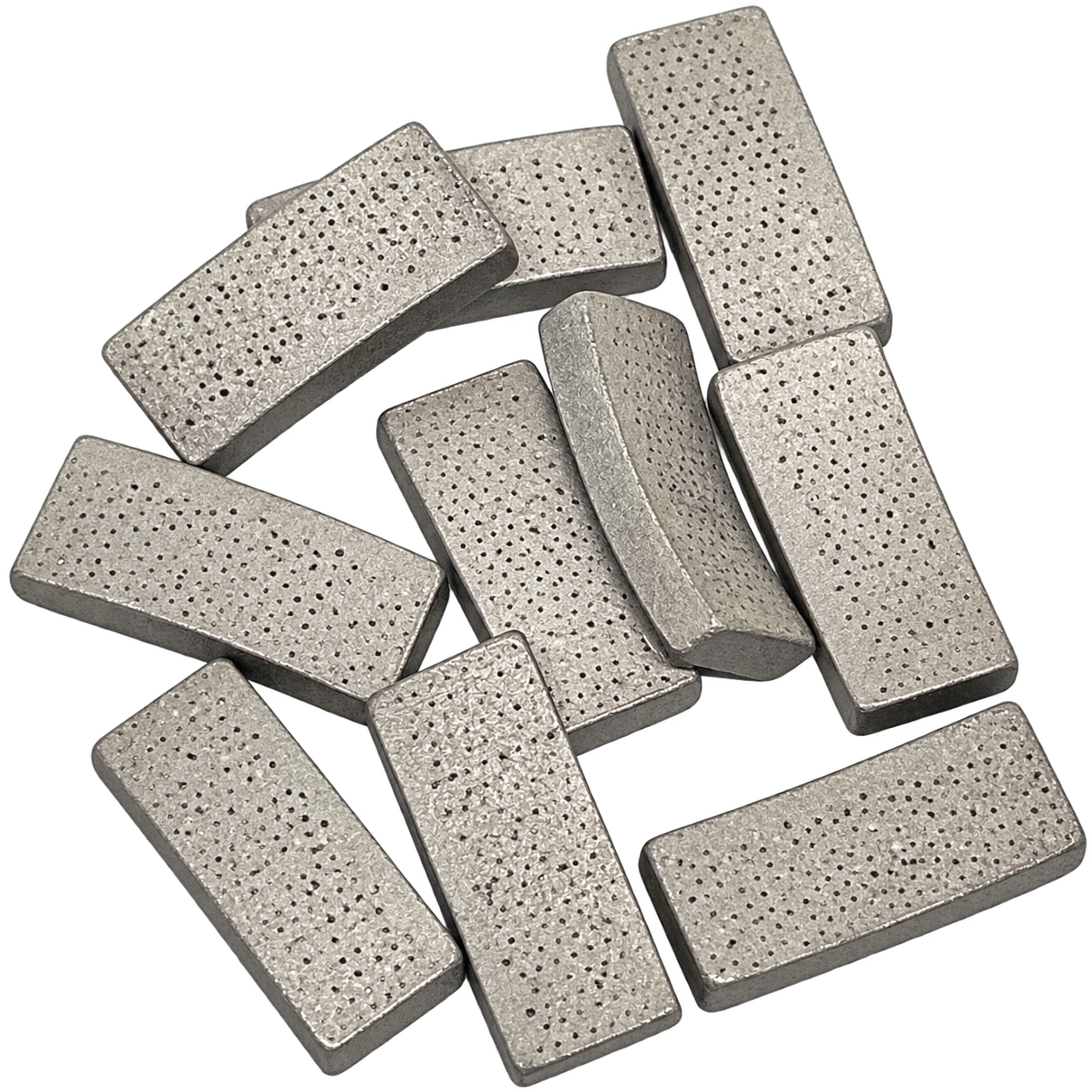
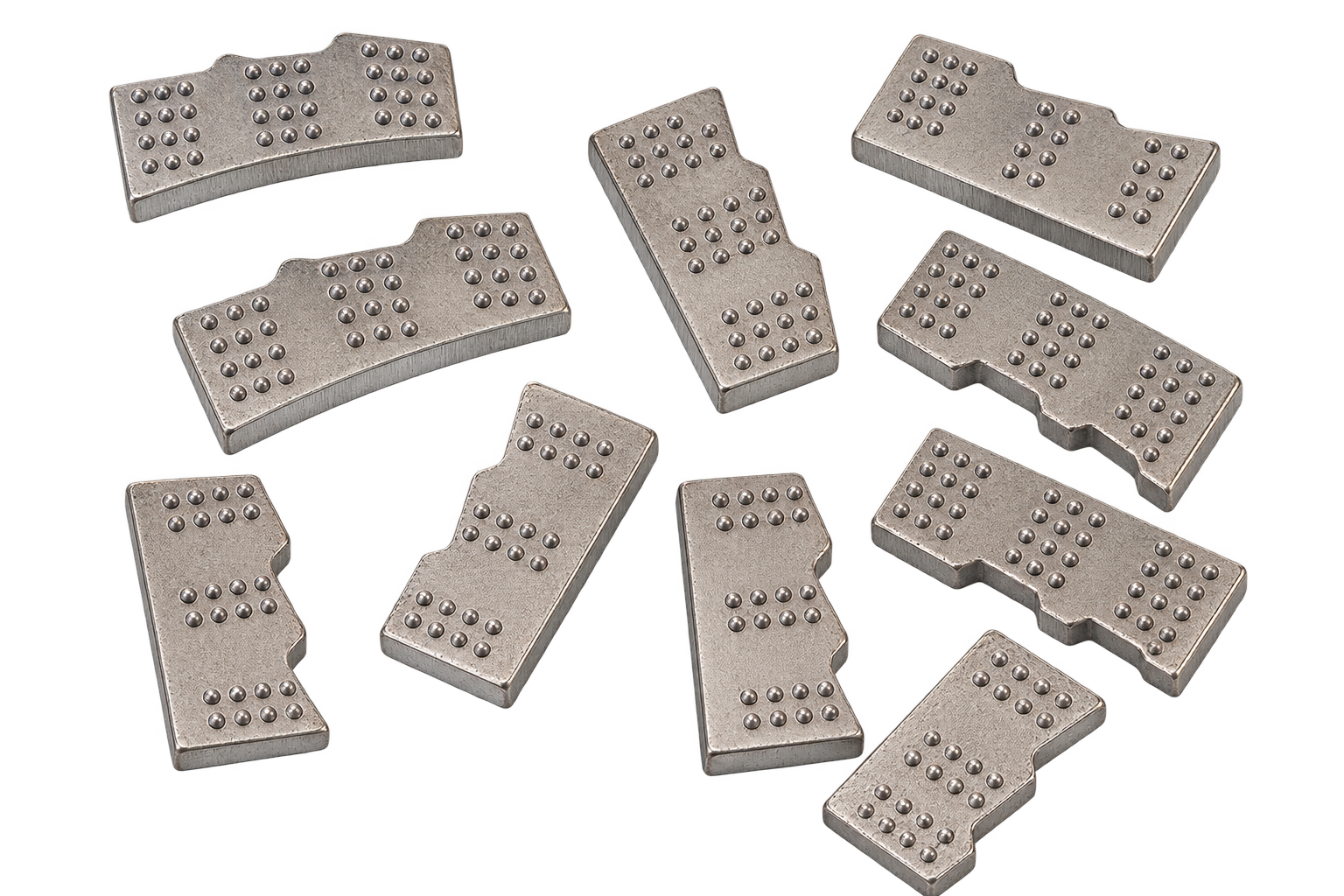
Figure 1.0: Ordered Diamond Array vs Uniform Distribution: Engineering Comparison for Diamond Tool Procurement Overview

Key Specification / Takeaways

  • 01. Diamond placement in segments has three tiers — random (lowest), uniform distribution (mid-range), ordered/matrix-positioned array (premium). Each tier represents a manufacturing capability and corresponds to a price point.
  • 02. Random distribution mixes diamond crystals into the metal matrix with no spatial control — the cheapest and most common segment type, used in entry-tier cutting wheels and consumer tools.
  • 03. Uniform distribution disperses diamond crystals evenly through the matrix using mechanical agitation during sintering — most legitimate factories can produce this, and it covers the mid-range of the global diamond tool market including most named brand professional lines.
  • 04. Ordered diamond array (also marketed under proprietary names like Shinhan's ARIX and EHWA's Zenesis) places each diamond crystal at a precise coordinate in a grid pattern, visible as regular dot arrays on the segment surface. Wear performance is 20-30% better in hard substrate, but the manufacturing capability is held by a small number of factories globally.

Three Tiers of Diamond Placement

Quick answer: Ordered diamond array fixes every diamond at a grid coordinate so each grain cuts and drilling speed stays constant for the bit's whole life — the premium tier, ~20–30% more life in hard and reinforced material. The premium brands all sell this same idea under their own names:

  • Hilti — Equidist
  • Husqvarna — Diagrip / Diagrip2
  • Tyrolit — TGD / TGD+
  • Shinhan — ARIX
  • EHWA — Zenesis

By cost and by life it goes random < uniform < ordered. The catch: only a few factories hold the placement consistency that makes ordered array worth the premium.

Diamond placement in segments — how diamond crystals are positioned in the metal matrix during sintering — is one of the engineering decisions that defines tool price tier and field performance. The market sorts into three tiers, each with a different manufacturing capability and a different wear performance signature.

Random distribution is the cheapest and most common. Uniform distribution is the mid-range workhorse, covering most professional brand lines. Ordered array (matrix-positioned, sometimes marketed as Arix) is the premium tier with measurably better wear performance in hard substrate. Understanding the three tiers is the difference between a usable OEM spec and a misaligned procurement that delivers either over-spec cost or under-spec field performance.

1. Random Distribution (Entry Tier)

Manufacturing: Diamond crystals are dumped into the metal-powder mix and stirred manually or with low-precision blending. The mixture is then pressed and sintered. Diamond positions are determined by the random mixing process — clumps, voids, and uneven concentration are normal.

Field performance: Inconsistent cutting speed across the tool's lifetime. Some areas of the segment cut fast (where diamond clumps land at the cutting face), other areas cut slow (where voids reach the surface). Wear life is the shortest of the three tiers because the cutting load concentrates on whichever diamonds happen to be positioned at the cutting face, overloading them and accelerating matrix wear.

Where it lives: Entry-tier consumer cutting wheels, DIY-grade hole saws, cost-pressure imports. Most factories can produce random distribution; the manufacturing barrier is low.

2. Uniform Distribution (Mid-Range)

Manufacturing: Diamond crystals are dispersed evenly through the metal-powder matrix using mechanical agitation, controlled rotation during mixing, and precise volumetric metering. The diamond crystals are not placed at individual coordinates — each region of the segment has the same average concentration, but the exact crystal positions within that region are still random within the controlled distribution.

Field performance: Consistent cutting speed across the tool's lifetime. The average concentration of diamond at every depth of the segment is the same, so as the matrix wears, the next layer cuts at the same speed as the previous. Wear life is significantly better than random distribution because the cutting load is shared across more diamonds at any given moment.

Where it lives: Most legitimate professional-tier diamond tools. Husqvarna, Diamond Products, Norton Clipper, MK Diamond, and most premium named brand lines ship uniform distribution as the engineering standard. The manufacturing capability is held by all serious diamond tool factories globally — the barrier is industrial-scale sintering equipment with controlled mixing.

3. Ordered / Matrix-Positioned Array (Premium)

Manufacturing: Each individual diamond crystal is placed at a precise grid coordinate before sintering, typically by automated pick-and-place equipment. The grid pattern is designed to match the expected cutting load distribution — denser at high-stress zones, sparser at low-stress zones. After sintering, the diamond positions are locked at the designed coordinates.

Field performance: Wear life 20-30% better than uniform distribution in hard substrate. Three factors: (1) every diamond engages the substrate at the same time, sharing the cutting load; (2) as the matrix wears, the next layer of diamonds is positioned at the same grid coordinates, maintaining consistent cutting geometry; (3) ordered placement uses each diamond more fully before the matrix wears past it. The performance advantage diminishes in soft substrate where these factors matter less.

Where it lives: Premium large-diameter stone fabrication (Diamond Vantage Zenesis line, Shinhan ARIX, specialty Korean and European brands), premium concrete coring for high-MPa structural work, specialty wall and bridge saw blades. The manufacturing capability is held by a small number of factories globally with the required pick-and-place equipment and process control.

Performance Comparison

TierManufacturing CostWear Life (Hard Substrate)Cutting Consistency
Random distributionLowestBaseline (1.0×)Inconsistent
Uniform distributionMid-range1.3-1.6× baselineConsistent
Ordered arrayPremium1.5-2.0× baselineHighly consistent

Note: Performance multipliers are illustrative ranges for hard substrate (high-MPa concrete, dense granite). In soft substrate (asphalt, masonry, green concrete) the differential between uniform and ordered narrows substantially — uniform distribution delivers equivalent field performance for most mid-range substrate.

How to Spec the Right Tier for Your Program

The decision is substrate-driven and price-tier-driven. For most OEM programs, uniform distribution is the correct spec — it covers the engineering target for general concrete, masonry, and asphalt cutting at mid-range price points. Specify ordered array only when the target substrate is hard (high-MPa concrete with rebar, dense granite, premium stone fabrication) and the channel price tier supports the premium cost.

Spec Random Distribution When:

  • Target channel is entry-tier consumer or DIY retail.
  • Price-pressure dominates the decision and warranty risk is low.
  • Substrate is soft and uniform (drywall, soft brick).

Spec Uniform Distribution When:

  • Target channel is professional contractor, rental fleet, or distributor mid-range.
  • Substrate is mid-range concrete, asphalt, masonry, general stone.
  • Engineering target is consistent cutting performance at reasonable cost.
  • You are benchmarking against Husqvarna, Diamond Products, Norton Clipper, or similar premium brand professional lines — these ship uniform distribution as the engineering standard.

Spec Ordered Array When:

  • Target channel is premium fabrication, premium structural work, specialty stone.
  • Substrate is hard (high-MPa concrete, dense granite, hard aggregate with rebar).
  • Channel price tier supports the premium engineering cost.
  • You are benchmarking against Shinhan ARIX, Diamond Vantage Zenesis, or premium Korean and European specialty lines.

For any OEM program, the engineering spec should name the diamond placement tier explicitly — "uniform distribution per industry standard" or "ordered/matrix-positioned array equivalent to Diamond Vantage Zenesis" — and the supplier should be able to demonstrate the manufacturing capability with a destructive cross-section sample showing the placement signature.

Spec Your Diamond Placement Tier

Send the target substrate, channel price tier, and benchmark reference (uniform distribution per industry standard, or ordered array equivalent to a named premium brand). Zhonghuan responds with a spec sheet, sample plan, and destructive cross-section showing the placement signature.

Request Diamond Tool Spec

24-hour response guaranteed

Get a Quote for Your Spec

Tell us what you need. Our team responds within 24 hours with pricing and lead time.

sales@zhonghuantools.com

Recommended Next Actions

Validate parameters first, then move into product evaluation and quote request.

Validate Cutting Parameters

Use the calculator to confirm speed and application match before product selection.

Open RPM Calculator

Review Product Options

Compare relevant product lines and narrow down suitable series quickly.

View Product Catalog

Request Engineering Quote

Submit key details and receive a more qualified response on pricing and lead time.

Contact Engineering
#Ordered Diamond Array #Matrix-Positioned Diamond #Uniform Diamond Distribution #Diamond Segment Engineering #Diamond Tool Manufacturing #Diamond Concentration #Wear Performance